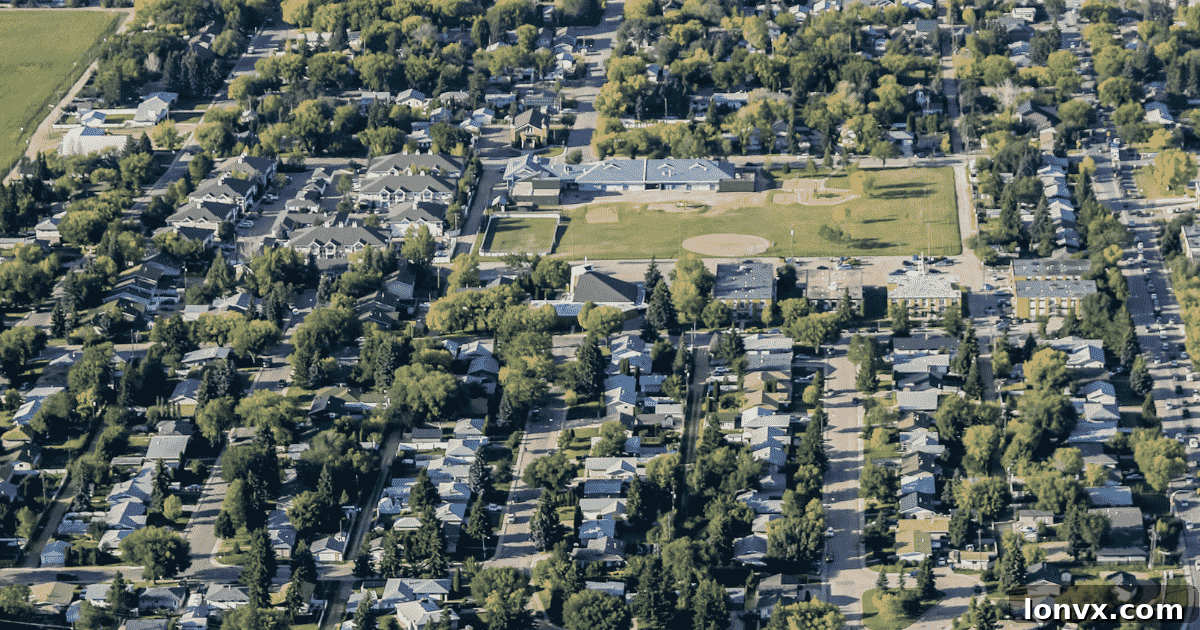
Saskatchewan’s Resilient Housing Market: Outpacing National Trends Amidst Historic Scarcity
In an era of fluctuating national real estate markets, Saskatchewan stands out as a beacon of remarkable resilience and growth. Recent data from the Saskatchewan Realtors Association (SRA) reveals a provincial housing market not only holding its own but actively outpacing broader Canadian trends. This robust performance, characterized by surging demand and dwindling supply, paints a compelling picture of strength even in the face of prevailing economic uncertainties.
The latest figures for March underscored this exceptional momentum, with the province recording an impressive 1,277 residential sales. This represents an encouraging 8 percent increase compared to the same period last year and an even more significant 13 percent jump above the decade-long average for March. Such sustained activity highlights a market fundamentally driven by strong local factors, demonstrating a unique resistance to the headwinds observed in many other regions across the country.
A Dynamic Landscape: Why Saskatchewan Defies the Norm
Chris Guerette, CEO of the SRA, captured the sentiment perfectly, stating, “Notwithstanding economic uncertainty and the ongoing threat of tariffs, Saskatchewan’s housing market remains remarkably resilient, once again posting above-average monthly sales.” Guerette further emphasized the unique position of the province: “Many markets across the country are going to tell a very different story this month, which highlights the strength of our market—even in the face of significant headwinds.” This resilience is often attributed to Saskatchewan’s diversified economy, stable job market, and comparatively attractive affordability, which continue to draw new residents and retain existing ones.
While interest rates and inflation have tempered buyer enthusiasm in many major Canadian cities, Saskatchewan’s market dynamics appear to be marching to a different drum. The province’s economic pillars, including agriculture, natural resources, and growing technology sectors, provide a stable foundation that underpins consumer confidence and housing demand. This creates a consistent pool of motivated buyers, from first-time homeowners seeking entry into the market to those upgrading, and even inter-provincial migrants looking for better value and quality of life.
The consistent demand, coupled with persistent supply challenges, is creating a highly competitive environment. Buyers are finding themselves needing to act swiftly and decisively to secure properties, often leading to multiple-offer scenarios and sales prices at or above asking. This intensity reflects a market where the desire for homeownership remains strong and the available options are simply not keeping pace.
Inventory Crisis: Supply Levels Hit Historic Lows
The most pressing narrative within Saskatchewan’s housing story is undoubtedly the severe shortage of available properties. Despite a modest month-over-month increase in inventory—rising from 3,851 units in February to 4,023 in March—the broader trend remains starkly negative. Current inventory levels are down a dramatic 21 percent year-over-year and represent a staggering 50 percent decrease compared to the 10-year average. This unprecedented scarcity is fueling the market’s intensity and driving significant price appreciation.
The impact of this inventory crunch is felt most acutely in the province’s two largest urban centers, Saskatoon and Regina, where the demand is highest. Heading into April, Saskatoon had a mere 0.98 months of supply, including conditional sales. Regina, while slightly better, still trailed closely with just 1.29 months of supply. To put these figures into perspective, a balanced housing market typically requires four to six months of supply. These low numbers indicate an extreme sellers’ market, where properties are snapped up almost as soon as they become available, leading to rapid turnover and increased pressure on buyers.
Chris Guerette reiterated the severity of the situation for the spring season: “The spring market is here. We continue to see near-record demand, and there isn’t enough inventory to meet that demand right now.” This shortage isn’t merely a statistical anomaly; it has tangible consequences. For prospective buyers, it means fewer choices, heightened competition, and the necessity to compromise on desired features or locations. For sellers, it translates into a highly advantageous position, often receiving multiple offers and securing favorable terms.
Several factors contribute to this persistent inventory challenge. Limited new construction starts, rising material and labor costs, and bureaucratic hurdles can slow down the development of new housing units. Furthermore, homeowners, benefiting from appreciating property values and potentially lower historical mortgage rates, may be reluctant to sell, thus further constricting the supply pipeline. The rapid population growth Saskatchewan has experienced in recent years also plays a significant role, with new residents adding to the pool of potential homebuyers without a corresponding increase in housing stock.
The Upward March: Home Prices Continue to Climb
The fundamental economic principle of supply versus demand is clearly at play in Saskatchewan, continuously pushing home prices upward across the province. In March, the provincial benchmark price reached an impressive $353,600. This figure represents a significant $9,000 month-over-month increase and is more than 6 percent higher than the benchmark price recorded in March 2023.
Leading this robust price appreciation is Saskatoon, which set a new record with a benchmark price of $415,900. This is an increase of over $25,000 compared to the previous year, highlighting the strong buyer confidence and intense competition within the city’s market. Saskatoon’s growing economy, particularly in tech and professional services, continues to attract a skilled workforce, driving up demand for housing across all segments.
Regina also experienced substantial price growth, with its benchmark price rising to $326,300. This marks a notable increase from $317,700 in February and brings the capital city’s prices closer to an all-time high. Regina’s stable government sector employment and its role as a regional hub for various industries contribute to its steady housing demand and price appreciation. Both cities are experiencing a scarcity of listings, which creates intense bidding wars and ultimately pushes property values higher than many anticipated.
While rising prices are a boon for existing homeowners, they do raise concerns about affordability, particularly for first-time buyers and those on fixed incomes. However, relative to larger Canadian metropolitan areas like Toronto or Vancouver, Saskatchewan still offers considerably more attainable entry points into homeownership, making it an attractive option for those seeking a balance between quality of life and financial viability. The continuous rise in prices underscores the underlying strength and desirability of the province’s real estate assets, signalling sustained investor confidence and robust local economic conditions.
Navigating the Future: Expert Outlook and Market Considerations
As Saskatchewan moves further into 2024, the prevailing trends of high demand and low inventory are expected to continue shaping the market. The SRA’s CEO, Chris Guerette, acknowledges the ongoing challenges and opportunities. The competitive spring market, characterized by rapid sales and increasing prices, is likely to extend into the summer months unless there’s a significant increase in new listings.
For potential buyers, this environment necessitates preparation and speed. Securing pre-approval for mortgages, working closely with experienced realtors, and being ready to make swift decisions will be crucial. Understanding market comparables and being realistic about budget adjustments due to competition are also vital. Meanwhile, sellers are poised to capitalize on robust demand, potentially achieving favorable sale prices and terms. However, they too face the challenge of finding their next home in the same tight market.
Looking ahead, the long-term outlook for Saskatchewan’s housing market remains positive. Continued population growth, driven by inter-provincial migration and international immigration, will sustain demand. Government initiatives aimed at economic diversification and infrastructure development will further bolster the province’s appeal. While the current low inventory levels are challenging, ongoing construction projects and potential shifts in seller behavior could gradually alleviate some of the supply pressure in the medium term.
The unique trajectory of Saskatchewan’s housing market serves as a testament to its underlying economic strength and desirability. Its ability to outperform national trends, even amid broader economic uncertainties, underscores its unique appeal. As demand continues to outstrip supply, stakeholders across the province will be closely watching how this dynamic market evolves, ensuring its continued growth remains sustainable and accessible for all.
Enjoying this article?
Get the latest real estate articles in your inbox 3x week so you stay up to date on the latest in the Canadian real estate industry