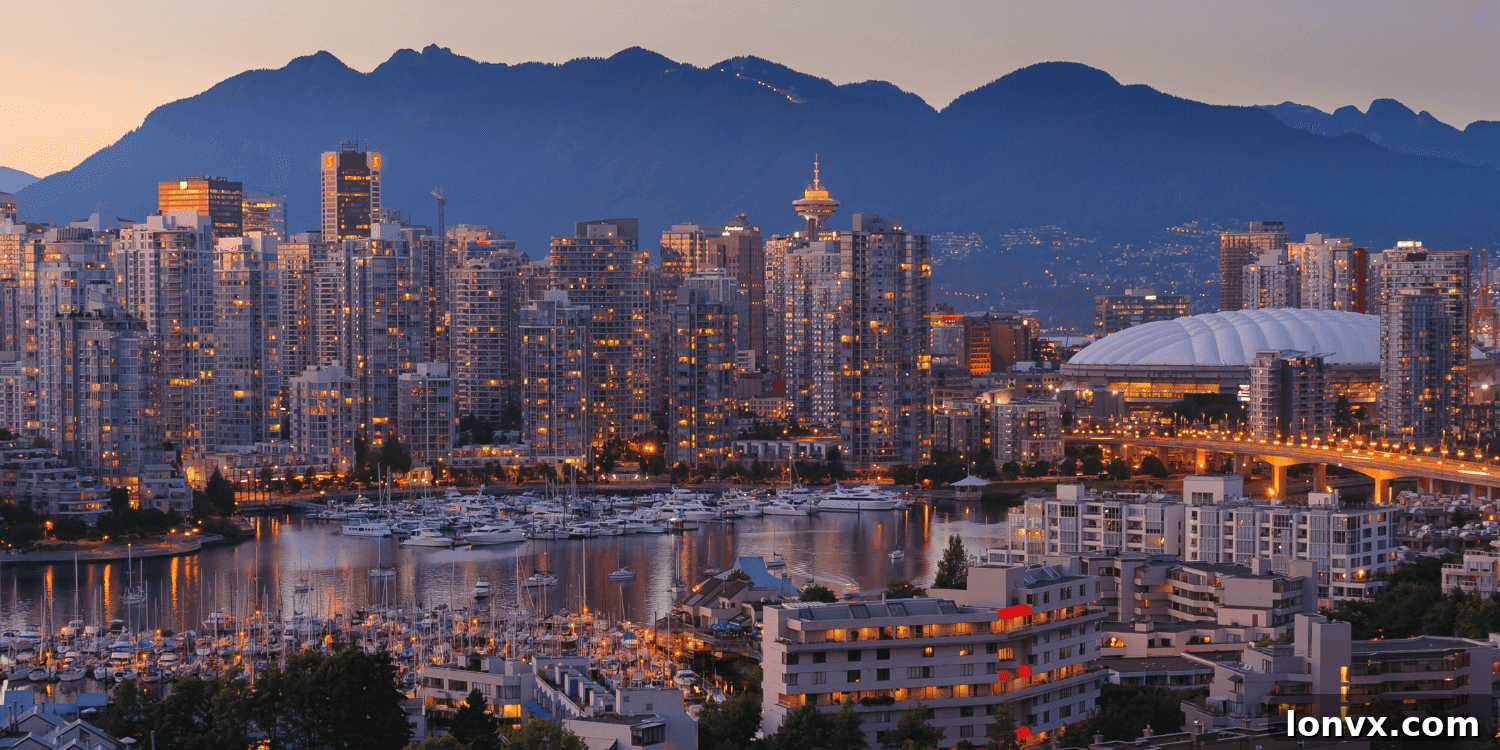
The Metro Vancouver housing market continued its robust upward trajectory in April 2023, defying earlier predictions and showcasing a renewed vigor. The Real Estate Board of Greater Vancouver (REBGV) reported a significant surge in home sales coupled with a notable rise in home prices, signaling a fascinating shift in market dynamics.
According to Andrew Lis, REBGV’s astute director of economics and data analytics, this recent rebound in demand is a strong indicator of returning buyer confidence. Despite the challenging economic landscape marked by mortgage rates that have “roughly” doubled, homebuyers appear increasingly ready to re-engage and invest in real estate within the region. This willingness to commit, even in the face of elevated borrowing costs, underscores a deep-seated demand and perhaps a perception that the market has found its footing after a period of adjustment.
Lis further elaborated on the unexpected strength of the market, stating, “The latest MLS HPI data show home prices have increased about five per cent year-to-date, which already outpaces our forecast of one to two per cent by year-end.” This remarkable acceleration in price appreciation has caught many by surprise, hinting at underlying forces stronger than initially anticipated. However, he prudently cautioned that “The year is far from over, however, and it remains to be seen if these price increases will be sustained into 2024.” This forward-looking perspective highlights the ongoing uncertainty and the need for continued monitoring of market indicators as the year progresses.
The compelling narrative emerging from Metro Vancouver’s housing sector in April 2023 is one of resilience and a potentially accelerating recovery. Understanding the intricacies of sales volumes, inventory levels, and price movements is crucial for anyone looking to navigate this dynamic market, whether as a prospective buyer, seller, or simply an observer of regional economic health. The interplay of low supply, returning demand, and the impact of interest rates creates a complex yet intriguing picture that merits closer examination.
Understanding Sales and Inventory Dynamics in Metro Vancouver
A detailed look at the sales figures for April 2023 provides a nuanced understanding of the market’s performance. The REBGV reported that home sales in the region reached 2,741 units. While this figure represents a 16.5 per cent decrease compared to the exceptionally strong market conditions of April 2022, it paints a more positive picture when viewed against longer-term averages. Specifically, the sales total was only 15.6 per cent below the 10-year seasonal average for April, indicating that despite the year-over-year dip, the market is performing relatively close to historical norms rather than experiencing a significant downturn.
This perspective is further reinforced by a notable observation from market commentators, which highlighted the market’s surprising resilience:
The number of sales this April was only 1.8% below the 5 year average for April in REBGV.
With mortgage rates at 5%, we basically had the same number of people as normal buy a home in April.
— Jesse Kleine (@jesse_kleine) May 1, 2023
This tweet vividly captures the essence of the April 2023 market: a strong return to typical activity levels despite significantly higher borrowing costs. The implication is clear – a substantial segment of buyers remains undeterred by the 5% mortgage rates, demonstrating either a strong financial position, an urgent need to purchase, or a belief that current rates are acceptable in the long term. This robust buyer pool is a critical factor driving the observed price escalations.
A persistent and perhaps the most impactful factor in the Metro Vancouver housing market remains the stubbornly low inventory levels. The REBGV report revealed that only 8,790 homes were listed for sale on the MLS system in Metro Vancouver in April. This figure marks a 4.2 per cent decrease compared to April 2022 and stands a significant 20.9 per cent below the 10-year seasonal average. The chronic shortage of available properties continues to be the bedrock of the current seller’s market, creating intense competition among active buyers and exerting relentless upward pressure on prices.
The scarcity of homes for sale across all property types – detached houses, attached units, and apartments – translates directly into challenging conditions for prospective purchasers. When fewer homes are available, each listing tends to attract more interest, leading to quicker sales and often multiple offer scenarios. This supply-demand imbalance is not a new phenomenon in Metro Vancouver but continues to be a defining characteristic of its real estate landscape, pushing the boundaries of affordability and market accessibility.
The sales-to-active listings ratio serves as a vital indicator of market balance, offering insights into whether the market favors buyers, sellers, or is in equilibrium. For April 2023, this crucial metric stood at 32.7 per cent across all detached, attached, and apartment property types. A ratio significantly above 20 per cent typically denotes a seller’s market, where prices are likely to experience upward pressure due to competitive buying conditions. Conversely, a ratio below 12 per cent generally indicates a buyer’s market, where prices tend to decline. The current ratio of 32.7 per cent firmly positions Metro Vancouver as a strong seller’s market, explaining the ongoing price increases.
Breaking this down by property type provides even finer detail: the ratio for detached homes was 24.4 per cent, for townhomes it soared to 40.1 per cent, and for apartments, it was 37.4 per cent. The higher ratios for townhomes and apartments suggest particularly intense competition in these segments, likely driven by their relative affordability compared to detached properties and strong demand from first-time homebuyers and those looking for more manageable living spaces. This segmented analysis underscores the varied dynamics within the broader Metro Vancouver market, though all types are experiencing seller-favored conditions.
Examining Price Trends and Market Pressure Points
Despite persistent concerns over rising interest rates and the broader economic climate, home prices in Metro Vancouver continued their upward trajectory in April 2023. This trend is a testament to the strong underlying demand and the critical impact of limited supply. The MLS Home Price Index (HPI) composite benchmark price for all residential properties in Metro Vancouver reached $1.17 million. While this figure still represents a 7.4 per cent decrease compared to the peak market conditions of April 2022, it also reflects a significant 2.4 per cent increase compared to the previous month, March 2023. This month-over-month increase after a period of correction signals a definitive market rebound and a potential stabilization of values.
Delving deeper into specific property types, the benchmark price for detached properties remained substantial at $1.9 million, reflecting the premium associated with standalone homes in the region. The benchmark price of an apartment property stood at $752,300, offering a comparatively more accessible entry point into the market for many buyers. Attached units, which include townhouses and duplexes, had a benchmark price of $1.07 million, bridging the gap between apartments and detached homes in terms of price and often offering more space than an apartment without the full cost of a detached dwelling.
The REBGV’s analysis on the relationship between the sales-to-active listings ratio and price pressure provides valuable context for these figures. They note that downward pressure on home prices typically occurs when this ratio dips below 12 per cent for a sustained period. Conversely, home prices often experience significant upward pressure when the ratio consistently surpasses 20 per cent over several months. Given the overall ratio of 32.7 per cent in April 2023, it is unequivocally a seller’s market, where competitive bidding and escalating prices become common occurrences.
Andrew Lis’s insights further illuminate the core drivers behind the current price surges. He explained, “…What we’re seeing unfold so far this year is consistent with our prediction that near record-low inventory levels would create competitive conditions where almost any resurgence in demand would translate to price escalation, despite the elevated borrowing cost environment.” This statement powerfully articulates the central paradox of the Metro Vancouver market: even with higher mortgage rates making homeownership more expensive, the sheer lack of available homes forces buyers to compete aggressively, thereby pushing prices higher.
Lis concluded his analysis by succinctly summarizing the enduring challenge: “At the crux of it, the issue remains a matter of far too little resale supply available relative to the pool of active buyers in our market.” This highlights that while demand may fluctuate with economic conditions and interest rates, the fundamental structural problem in Metro Vancouver is the persistent imbalance between the number of homes available for sale and the large, consistent pool of eager buyers. Until this supply-demand chasm narrows significantly, competitive market conditions and upward price pressure are likely to remain defining features of the region’s housing landscape, continuing to shape the aspirations and realities of Metro Vancouver residents.