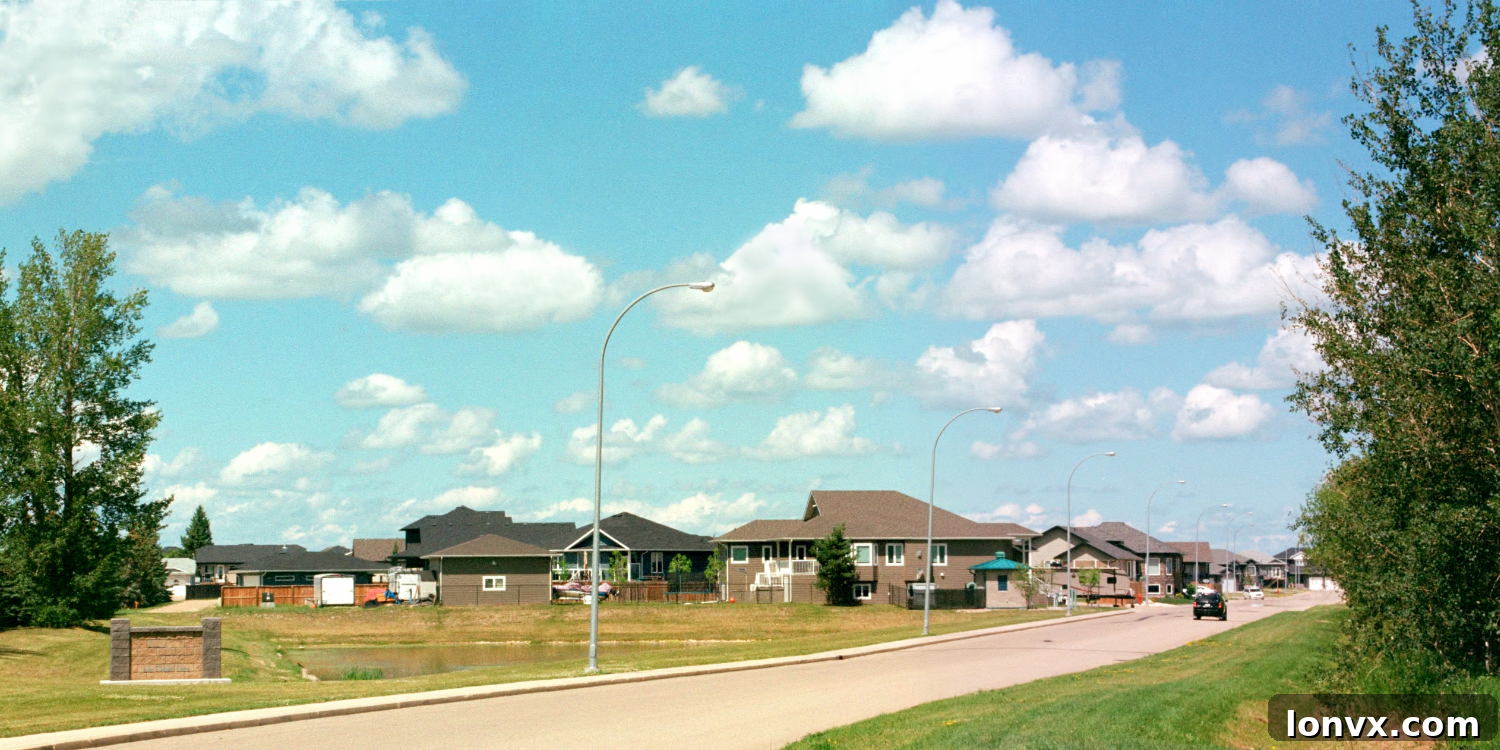
The real estate market in Saskatchewan continues to demonstrate robust activity, with May 2024 figures revealing strong sales performance despite persistent inventory challenges. According to the Saskatchewan Realtors Association (SRA), the province recorded an impressive 1,841 home sales in May. This represents a significant six percent increase compared to the previous year and a remarkable 24 percent surge above the long-term average for the month. While new listings also saw an uptick, the sustained demand and high volume of sales are actively keeping the province’s housing inventory at its lowest levels since 2008. This tight supply is particularly pronounced in the highly competitive segment of properties priced under $300,000, making it a challenging environment for prospective buyers.
The provincial residential benchmark price in May reached $340,400, showing a steady upward trend from $339,800 in April. This figure also stands over four percent higher than the benchmark price recorded in May of last year, underscoring the consistent appreciation in property values across Saskatchewan. This upward price movement was not confined to a single property type; rather, all housing categories experienced price increases. The most notable gains were observed in apartment and row/townhouse-style properties, signaling strong demand and limited supply within these specific market segments.
Chris Guérette, CEO of the Saskatchewan Realtors Association, commented on the market’s enduring strength, stating, “Our housing market continues to report strong monthly sales figures despite persistent inventory challenges. An eleventh consecutive month of above-average sales is quite impressive when you consider how challenging it can be for prospective buyers in some markets in our province right now.” This sentiment highlights the balancing act within the Saskatchewan real estate landscape: high demand is driving sales volumes, yet the scarcity of available homes creates a competitive and often difficult buying experience for many.
The robust performance of the Saskatchewan housing market can be attributed to several underlying factors. A growing population, fueled by both interprovincial migration and international immigration, is a primary driver of demand. Saskatchewan’s relatively affordable housing, especially when compared to larger metropolitan areas in Canada, also attracts buyers looking for value. Furthermore, a stable provincial economy, supported by key sectors such as agriculture, mining, and energy, contributes to consumer confidence and the willingness of individuals to invest in real estate. This confluence of factors creates a dynamic market where properties, particularly those at lower price points, are snapped up quickly, leading to the continued depletion of available inventory. The resulting seller’s market conditions ensure that competition remains fierce, often leading to multiple offers and homes selling above asking price in desirable areas.
Regina’s Dynamic Real Estate Scene
Regina, the capital city of Saskatchewan, mirrored the provincial trend of strong real estate activity in May 2024. The city reported a total of 440 home sales, marking a five percent year-over-year increase. This sales volume also soared 32 percent above Regina’s long-term trends, indicating an exceptionally active market. While new listings saw a slight increase, the overwhelming demand ensured that inventory levels remained critically low. Regina’s housing inventory currently sits nearly 50 percent below its long-term trends, with a strikingly low 1.69 months of supply. This figure signifies an extreme seller’s market, where if no new homes were listed, the entire current inventory would be sold in less than two months. Such tight conditions place significant upward pressure on prices and create a challenging environment for buyers seeking to enter the market or upgrade their homes.
The benchmark price for residential properties in Regina reached $320,000 in May, showing a marginal but consistent increase from $319,800 in April. More significantly, this represents a two percent rise compared to May 2023, showcasing steady appreciation over the past year. Regina’s economic stability, driven by government employment, a strong agricultural sector, and growing technology industries, continues to support a healthy housing market. The city’s appeal as a regional hub for services and employment opportunities contributes to sustained buyer interest. However, the dwindling inventory levels remain a significant concern, pushing affordability boundaries for some residents and intensifying the competition for available homes. Developers face the challenge of bringing new housing units to market quickly enough to meet this burgeoning demand, a process often constrained by factors such as land availability, construction costs, and regulatory approvals.
Saskatoon’s Competitive Housing Landscape
Saskatoon, the largest city in Saskatchewan, also experienced an exceptionally vibrant real estate market in May, reporting 573 sales. This impressive figure reflects a seven percent year-over-year increase and a substantial 28 percent rise above the city’s long-term average. The sheer volume of sales, coupled with ongoing demand, has led to a significant contraction in available housing options. Saskatoon’s inventory levels decreased by 21 percent year-over-year, plummeting to almost 50 percent below long-term trends. Critically, Saskatoon currently reports the lowest inventory levels across the entire province, making it one of the most competitive markets in Saskatchewan. This scarcity means buyers must act quickly and often contend with multiple bids, driving prices up and shortening the time homes spend on the market.
Despite the overall strong market, Saskatoon’s residential benchmark price saw a slight dip from April to May, moving from $398,600 to $397,200. However, looking at the broader picture, the May 2024 benchmark price is nearly six percent higher than in May 2023, indicating robust annual growth. This minor monthly fluctuation can occur even in strong markets and does not detract from the overall trend of significant price appreciation over the past year. Saskatoon’s diversified economy, with strong sectors in technology, education (University of Saskatchewan), healthcare, and mining, continues to attract a skilled workforce and foster population growth, thereby fueling housing demand. The city’s vibrant cultural scene and quality of life also contribute to its appeal, drawing in residents who seek both economic opportunity and a desirable living environment. The challenge, as with Regina, lies in addressing the acute shortage of available homes to ensure market balance and sustained affordability.
Provincial Market Dynamics and Future Outlook
The insights from the Saskatchewan Realtors Association consistently point to a housing market characterized by exceptionally tight conditions, particularly in the province’s two major urban centers. As SRA CEO Chris Guérette noted, “While the provincial months of supply fell below three months in May, conditions remain much tighter in our two largest centres – as Regina and Saskatoon are again reporting less than two months of supply.” This distinction is crucial; while the provincial average indicates a seller’s market, Regina and Saskatoon are experiencing near-unprecedented levels of scarcity, which translates directly into intense competition and rapid price escalation. A healthy, balanced market typically has four to six months of supply, highlighting just how far these cities are leaning into seller territory.
Looking ahead, the SRA anticipates that this trend of tight conditions will persist and likely intensify. Guérette further warned, “With further rate cuts on the horizon likely to spur additional demand — and no immediate inventory relief in sight — we expect tight conditions to continue to place upward pressure on prices across the province.” The prospect of interest rate reductions by the Bank of Canada is a significant factor. Lower interest rates typically enhance borrowing capacity, making homeownership more accessible and attractive to a broader pool of buyers. This increased demand, without a corresponding increase in housing supply, will inevitably exacerbate the existing inventory crunch. The lack of “immediate inventory relief” suggests that new construction, while underway, is not keeping pace with the rate of sales and population growth. This supply-demand imbalance is the fundamental driver of the upward price trajectory observed across Saskatchewan.
For prospective buyers, especially first-time homebuyers or those with limited budgets, these market conditions present considerable challenges. Affordability becomes a major concern as rising prices outpace wage growth, and the fierce competition means buyers often have to compromise on their wish lists or stretch their financial limits. Sellers, on the other hand, are currently in a highly advantageous position, often receiving multiple offers and selling their properties quickly and above their asking price. This dynamic underscores the importance of being well-prepared, pre-approved for mortgages, and working with experienced real estate professionals to navigate the complexities of the current market.
The Saskatchewan real estate market, therefore, stands at a fascinating juncture. It reflects a provincial economy that is attracting new residents and fostering confidence, leading to robust housing demand. Yet, it also faces the structural challenge of insufficient housing supply, a hurdle that will require strategic planning and investment in new construction to overcome. The coming months, influenced by potential interest rate adjustments, will undoubtedly offer further insights into the long-term trajectory of property values and market accessibility across the province.
For those interested in delving deeper into the specifics, comprehensive May data is available for review by province, city, CMA/CA, region, or census division.