British Columbia, a province renowned for its breathtaking natural beauty, is also experiencing a dynamic and rapidly evolving real estate market. As global awareness around climate change and sustainability intensifies, a critical question emerges for developers and builders: how can we integrate the built environment with nature, rather than imposing upon it? This challenge has spurred innovative approaches in sustainable development, focusing on harmony with the natural landscape and the long-term well-being of both residents and the planet.
Embracing Sustainable Development: A Look at Ground-Level Initiatives
Pioneering this greener vision for residential communities is Karin Eger-Blenk, CEO of Blenk Development in Kelowna. Her ambitious project, Wilden, stands as the largest master-planned real estate development in the Okanagan Valley. Spanning an impressive 1,500 acres across diverse hillside and flat terrains, Wilden is not just about building homes; it’s about crafting a sustainable lifestyle.
“We are planning to build to a minimum of Step Code 4 (of the BC Energy Step Code), demonstrating a strong commitment to sustainability,” states Eger-Blenk. This commitment goes beyond mere compliance; it’s about setting a new standard. The BC Energy Step Code is a provincial regulation that establishes increasingly stringent energy-efficiency requirements for new buildings, aiming to make all new construction “net-zero ready” by 2032. Step Code 4, a significant leap, means homes are designed to be highly insulated, extremely airtight, and equipped with efficient heating, ventilation, and cooling systems, drastically reducing energy consumption.
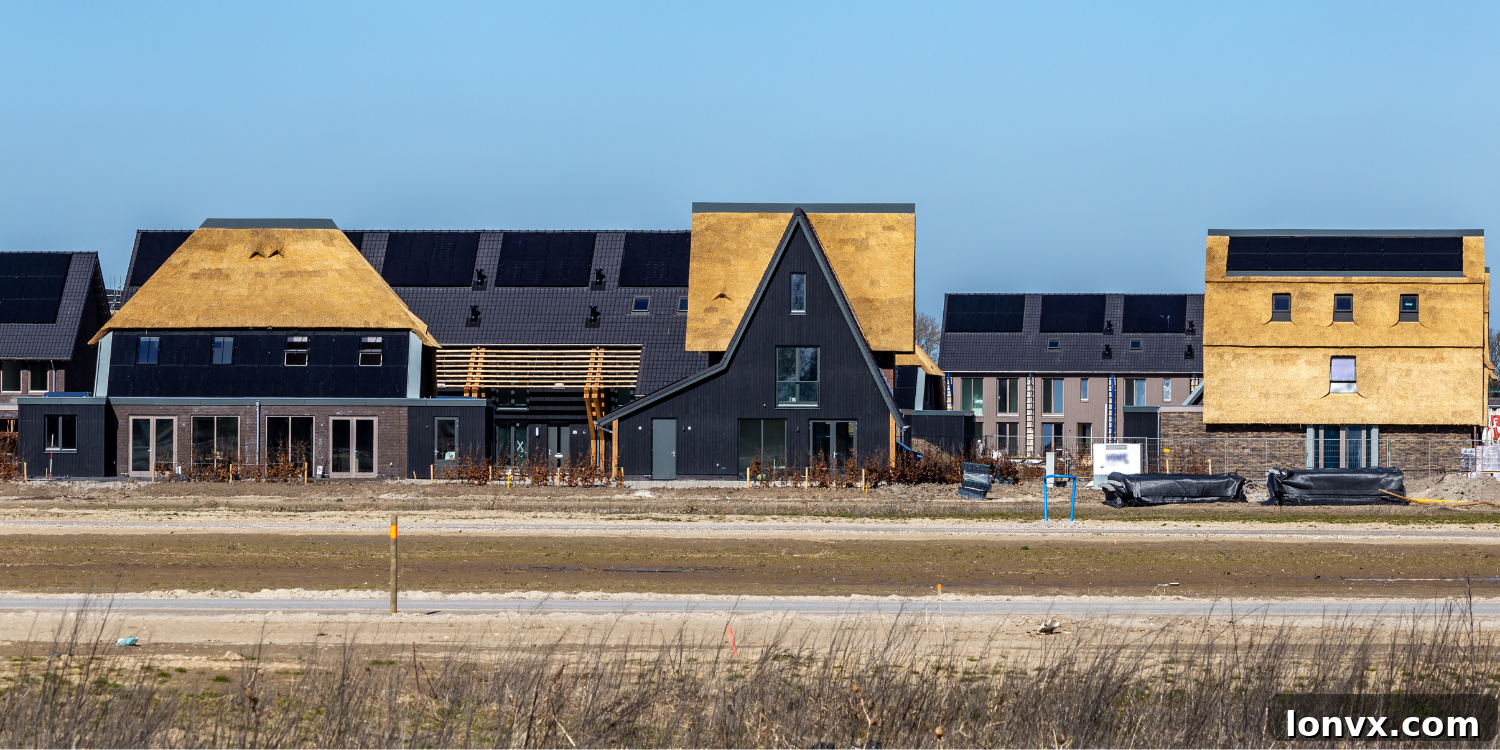
Eger-Blenk further emphasizes the project’s core philosophy: “We want our project to blend visually with our strong natural environment. The development is deeply influenced by the nature surrounding it. Our goal is for these buildings to seamlessly integrate with the mountains, not stand out against them.” This design philosophy highlights an understanding that true sustainability extends beyond energy metrics to include aesthetic and ecological integration.
Adding another layer to this discussion is Chris Ballard, former Minister of Environment and Climate Change in Ontario and current President of Passive House Canada. As the head of a national non-profit advocating for the Passive House high-performance building standard, Ballard provides crucial insights into how the real estate market is responding to sustainability trends. He raises a pertinent question: do terms like “net-zero homes,” “BC Energy Step Code,” and “Passive Housing” directly translate into higher sales volumes or premium price points?
“Generally, I find that if I were to stop 100 people on the street and ask them about net-zero or Passive Homes, most people wouldn’t have a clue what I was talking about,” Ballard candidly shares. This statement underscores a significant marketing and educational challenge within the sustainable building sector. He elaborates, “I’ve had both real estate agents and builders tell me they’ve never sold (a property) because it was a ‘Passive House,’ but rather because of attributes such as very low energy costs, high-quality indoor air, and quieter homes.” This distinction is vital: consumers are driven by tangible benefits and solutions to everyday problems, not necessarily by technical jargon.
Passive House, a rigorous, voluntary standard for energy efficiency in buildings, significantly reduces the building’s ecological footprint. It achieves ultra-low energy consumption by employing super insulation, airtight construction, high-performance windows, and a heat recovery ventilation system. The benefits, as Ballard points out, are direct and impactful: dramatically lower utility bills, a constant supply of fresh, filtered air, and an exceptionally quiet indoor environment due to superior sound insulation. These are the qualities that resonate with homeowners and provide a compelling value proposition.
Navigating the “Greenwashing” Dilemma in Real Estate
While the push for sustainable development gains momentum, developers and builders must exercise caution and integrity when communicating these attributes to the public. The unfortunate phenomenon of “greenwashing,” sometimes referred to as “green sheen,” has become an increasingly prevalent marketing and public relations tactic. This involves companies making unsubstantiated or misleading claims about the environmental friendliness of their products, services, or practices.
“The Canadian public is sick and tired of greenwashing,” Ballard emphatically states. This growing skepticism is a direct consequence of exaggerated or false environmental claims, eroding trust in genuine sustainable efforts. Consumers are increasingly discerning and demand transparency and verifiable proof behind environmental assertions.
Ballard expresses particular pride in the Passive House building standard precisely because it stands as a robust countermeasure to greenwashing. “One of the things I’m proud to say about the Passive House building standard is that it’s backed by science. It’s proven and is a nice antidote to all of the greenwashing claims that are being made in the building environment today.” The scientific rigor and measurable performance criteria of Passive House, combined with its independent certification process, provide a credible and trustworthy benchmark for genuine energy efficiency and sustainability. This scientific backing offers consumers a clear, unambiguous indicator of truly high-performance homes, distinguishing them from those merely cloaked in eco-friendly rhetoric.
Understanding Consumer Priorities and Future Building Imperatives
To bridge the gap between sustainable building practices and market demand, it’s crucial to understand the average consumer’s perspective. Paul Davidescu, Principal Broker at Level Up Mortgages, offers insights into how sustainability trends actually influence purchasing decisions.
“The market cares about saving money, from a consumer standpoint. They want to make their homes a passive home, but they’re really more focused on where rates are at,” says Davidescu. This highlights the primary driver for many homebuyers: financial affordability and immediate cost savings. While the concept of a “passive home” is appealing, the practicalities of mortgage rates and upfront costs often take precedence. This does not diminish the desire for sustainability but rather places it within a larger financial context. Developers and realtors need to articulate the long-term financial benefits, such as reduced utility bills, in a way that directly addresses these immediate financial concerns.
Considering this, what key factors should real estate developers and home builders prioritize when planning future projects? Ballard provides a concise yet profound answer: “The buildings of the future have to have a minimal ecological footprint. It’s not just how much energy is required to build and maintain, but also what we do with it at the end of its life cycle.” This perspective encourages a holistic view of sustainability, encompassing the entire lifecycle of a building—from the sourcing of materials, the energy consumed during construction, the operational energy over decades, to the eventual decommissioning and recycling of components. This “cradle-to-grave” approach is essential for truly minimizing environmental impact, moving beyond simply reducing operational energy to address embodied carbon as well.
Making information on sustainable practices more accessible and understandable to the general public is another critical component in effectively marketing this type of housing. Davidescu elaborates, “Beyond more government incentives, a big thing is education.” This underscores the need for concerted efforts from all stakeholders—government agencies, educational institutions, industry associations, developers, and real estate professionals—to inform consumers about the tangible benefits and long-term value of sustainable homes. Education can demystify terms like “net-zero” and “Passive House,” translating them into relatable advantages for homeowners.
Karin Eger-Blenk’s call to action for other developers and builders is clear and urgent: “We have to move as fast as possible to net zero.” This aligns with global climate goals and the increasing imperative to decarbonize the building sector. Achieving net-zero means a building produces as much energy as it consumes over the course of a year, typically through a combination of ultra-efficiency and on-site renewable energy generation, such as solar panels. It represents the pinnacle of energy performance and a significant step towards a sustainable future.
Empowering Realtors: Marketing Strategies for Sustainable Homes
Realtors play a pivotal role in accelerating the adoption of sustainable homes by effectively communicating their value. To avoid greenwashing and ethically market properties, realtors can adopt specific strategies, especially when listing net-zero or Passive Homes.
As Chris Ballard suggests, focusing on tangible benefits and attributes is paramount. Rather than leading with technical specifications, realtors should highlight advantages such as superior indoor air quality, reduced noise pollution, and enhanced thermal comfort. These benefits directly impact a potential buyer’s daily life and well-being, creating an immediate and appealing draw. Appealing to emotion—describing the comfort, security, and peace of mind a high-performance home can provide—often resonates more deeply than an initial focus on scientific or technical data. Imagine a home where pollen and outdoor allergens are filtered out, where street noise is virtually eliminated, and where temperatures remain consistently comfortable without drafts or hot spots—these are powerful selling points.
However, while emotional appeal is effective, the financial aspect remains undeniable. A study conducted earlier this year by Abacus Data, a Canadian polling and market research firm, strongly reinforces Davidescu’s assertion that money is the most significant factor in a purchasing decision. The study revealed that a substantial sixty-five percent of respondents identified cost savings as one of their top three reasons for buying an energy-efficient home. This data provides realtors with a clear directive: make the cost-saving benefits of sustainable homes explicit and easily understandable.
Realtors should actively demonstrate these financial advantages. This could involve providing clear energy bill cost comparison charts, showcasing the potential for lower utility expenses compared to conventional homes. They could also highlight government rebates or incentives available for energy-efficient upgrades, or even discuss the potential for increased resale value. By quantifying the financial return on investment, realtors can directly address the primary concern of many homebuyers and effectively position sustainable homes as not just environmentally responsible, but also economically intelligent choices.
Over time, as awareness grows and the tangible benefits become more widely recognized, the social impact of reducing one’s carbon footprint will undoubtedly become a significant point of pride for homeowners. However, before reaching that aspirational stage, the initial step involves making sustainable living accessible and attractive. By focusing on the immediate, practical, and financial benefits, the real estate industry can successfully get more people through the environmentally-friendly door, paving the way for a more sustainable future in British Columbia’s thriving market.
Enjoying this article?
Get the latest REM articles in your inbox 3x week so you stay up to date on the latest in the Canadian real estate industry
(Placeholder for email signup form – e.g., an email input field and a “Subscribe” button)