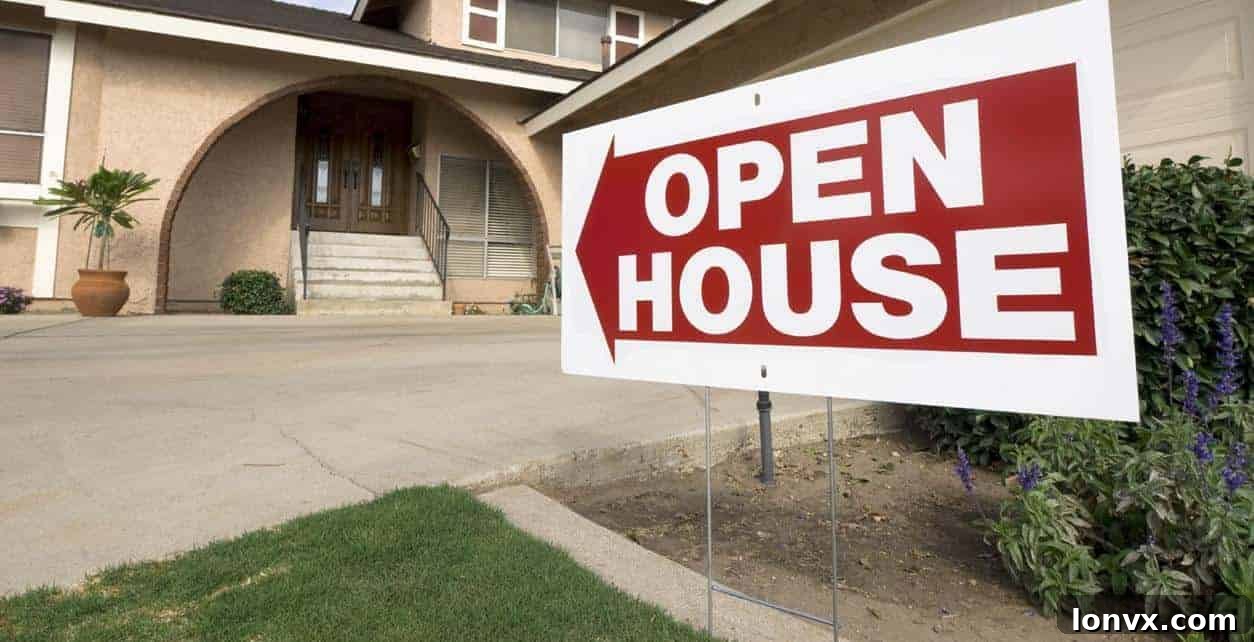
Maximize Your Home Sale: The Definitive Guide to Successful Open Houses
Open houses are a cornerstone of effective real estate marketing, serving as a powerful tool to generate interest, connect with potential buyers, and ultimately secure a successful sale. While some sellers may initially view the concept with trepidation, understanding the multifaceted benefits of opening their home to the public is crucial. This comprehensive guide delves into why open houses are indispensable, how to prepare for them, and the strategies real estate agents employ to transform casual viewings into concrete offers, ensuring your property stands out in a competitive market.
The Indisputable Value of Open Houses: More Than Just Showings
Beyond Seller Appeasement: The Strategic Imperative
For many real estate professionals, an open house might seem like a straightforward task—a way to satisfy a seller’s desire or to demonstrate active engagement in the sales process. However, the strategic importance of an open house extends far beyond mere obligation. It’s a proactive, high-impact marketing tactic designed to cast the widest possible net, drawing in a diverse pool of potential buyers who might not otherwise encounter the listing through more passive channels. Allowing prospective purchasers to experience a home in person, without the pressure of a scheduled appointment, fosters a unique, emotional connection that online listings or even private showings sometimes fail to achieve.
For homeowners, embracing the open house concept requires moving past the natural inclination to guard their private space. The goal is to invite as many people as possible to view the property, transforming a personal sanctuary into a marketable asset ready for its next owner. Restricting marketing efforts to purely passive promotion—relying solely on online listings or agent-led showings—is akin to fighting with one hand tied behind your back. A well-executed open house amplifies exposure, generating buzz and creating invaluable opportunities for direct engagement and immediate feedback.
A Catalyst for Price Correction and Powerful Lead Generation
Open houses can be particularly effective in subtly guiding a seller toward a more realistic asking price. When a property is initially overpriced, it often languishes on the market, receiving minimal interest. An open house, even if it attracts a steady flow of visitors, can provide concrete evidence of true market sentiment. If numerous people tour the home, appreciate its features, yet no offers materialize, it delivers a clear, undeniable message. This direct market feedback, experienced firsthand through the absence of bids despite significant exposure, can be a powerful motivator for a stubborn seller to consider a price reduction, making the listing more competitive and ultimately more attractive to serious buyers.
For the astute real estate agent, an open house isn’t just about selling one specific property; it’s a prime opportunity for robust lead generation. Every visitor, whether they are a qualified buyer for the current listing or simply exploring their options, represents a potential client. Agents can engage with attendees, understand their specific needs and preferences, and collect valuable contact information. This process cultivates a robust pipeline of future buyers and sellers, extending the impact of the open house beyond the immediate transaction. The time invested in hosting an open house often yields a significant return in new business prospects, making it an economically sound and highly beneficial strategy for any agent looking to expand their clientele and market presence.
Is Your Home Open House Ready? Assessing Property Suitability
While the benefits of an open house are numerous, it’s important to acknowledge that not every property is ideally suited for this particular marketing method. Discerning the right approach is key to a successful outcome. A “showplace” property, particularly one with outstanding curb appeal, immaculate interiors, and desirable features, naturally lends itself to an open house. Such homes often captivate visitors from the moment they arrive, drawing them in and encouraging a thorough exploration. When accurately priced and presented, a stunning property showcased via an open house has a significantly higher chance of converting curious visitors into serious offer-makers, accelerating the sales process.
Conversely, a home that appears plain, dated, or exhibits significant deferred maintenance with poor curb appeal might not benefit as much from an open house. Buyers often make snap judgments based on first impressions; an unattractive exterior or visible flaws can deter them from even stepping inside, let alone seeing its true potential. In such cases, the primary benefit of an open house might solely be the slim chance of generating leads for the agent, rather than selling the specific property. It’s a classic example of judging a book by its cover; many prospective buyers will assume an uninviting exterior mirrors an equally unappealing interior, limiting their interest and willingness to explore further.
For homes that lack immediate visual appeal or require extensive work, alternative marketing strategies might prove more effective. This could include targeted private showings, detailed virtual tours highlighting specific renovation potential, or focusing on unique features that might appeal to a niche market. The decision to hold an open house should always be a strategic one, carefully aligned with the property’s unique characteristics, condition, and current market position to ensure the highest likelihood of success.
Agent Best Practices: Maximizing Your Presence and Promotion
Personal Branding: Own Your Open House, Own Your Business
For newer agents, or those looking to expand their client base and establish their personal brand, “borrowing” an attractive listing from a colleague for an open house is a common and highly effective strategy. However, it’s crucial to leverage this opportunity for robust self-promotion. Instead of exclusively using the listing agent’s personalized signs, feature sheets, or brochures, invest in your own distinctive branding materials. Display your name, contact information, and professional logo prominently. An open house is not merely about selling a single property; it’s equally about selling yourself as a capable, proactive, and dedicated real estate professional. This practice helps to build your personal brand, establishes your presence and expertise in the community, and positions you as an independent, active agent ready to serve new clients.
Strategic Promotion: Beyond Traditional Advertising to Digital Dominance
Advertising an open house effectively requires a multi-pronged approach to maximize attendance and generate genuine interest. Traditional methods, such as placing ads in local newspapers or distributing professionally printed invitations throughout the neighborhood, remain valuable. These methods can still reach demographics that might not be as active online or prefer tangible information. However, once you commit to advertising an open house, you must commit to holding the event, regardless of external circumstances. Extreme weather, a conditional sale, or a hot prospect requiring your attention elsewhere are not acceptable excuses to cancel. Doing so damages your personal credibility and, by extension, can erode the reputation of the real estate industry in that community.
Beyond traditional print, a robust and comprehensive digital marketing strategy is absolutely essential in today’s market:
- Social Media Engagement: Actively promote your open house across various social media platforms, including Facebook, Instagram, LinkedIn, and local community groups like Nextdoor. Use engaging visuals, compelling video tours, and relevant location tags. Consider targeted paid promotions to ensure broader reach within specific demographic areas or interest groups.
- Email Marketing Campaigns: Send out professional, eye-catching email invitations to your entire contact list, including past clients, nurtured leads, and local community groups you’re involved with.
- Online Listing Portals: Ensure your open house details—date, time, and any special features—are prominently displayed and accurately updated on all major real estate websites (e.g., Zillow, Realtor.com, Trulia, Redfin).
- Local Blogs and Community Boards: Share details with local news blogs, community forums, and online bulletin boards for additional, localized exposure and word-of-mouth promotion.
While newspaper ads can certainly attract visitors, many experienced agents find that strategic placement of numerous, professional-looking directional signs at main intersections and key neighborhood entry points often generates sufficient foot traffic to justify the time and effort. An added benefit of relying heavily on well-placed signs over pre-paid newspaper advertisements is enhanced flexibility. If unforeseen circumstances arise—you suddenly have a buyer interested in viewing other properties that same afternoon, or a personal emergency demands your attention—you retain the option to cancel or postpone the open house at the last minute without incurring financial loss from advertising. This flexibility, however, must always be weighed against potential seller disappointment and open communication is vital.
Flawless Preparation: Setting the Stage for Unforgettable Success
The success of an open house hinges significantly on meticulous preparation, both by the real estate agent and the homeowner. This crucial phase is where the property truly transforms from a personal residence into a marketable commodity. It’s about setting the stage, creating an inviting, aspirational atmosphere that encourages visitors to envision themselves not just touring, but truly living and thriving within those walls.
Homeowner’s Essential Contributions: Grooming, Polishing, and Preserving
Empower your sellers by clearly outlining their vital role in preparing the home for public viewing. The goal is to present the property in its absolute best light, inside and out. This includes a comprehensive checklist:
- Curb Appeal Overhaul: Insist on a pristine and welcoming exterior. This means freshly mowed lawns, manicured gardens, neatly trimmed bushes and hedges, weed-free flowerbeds, and a thoroughly swept front walk, porch, and driveway. Remove any unsightly debris, fallen leaves, or forgotten toys. First impressions are everything.
- Declutter and Depersonalize: Encourage sellers to stow away personal photographs, excessive knick-knacks, and general clutter. The less personal the space appears, the easier it is for prospective buyers to imagine it as their own, free from the previous owner’s imprint. Clear countertops and open spaces are key.
- Spotless Interiors: The home must be impeccably clean, sparkling from top to bottom. This goes beyond surface-level tidiness. Windows and mirrors should be gleaming, floors thoroughly vacuumed or mopped, bathrooms scrubbed to perfection, and kitchens immaculate. Don’t forget often-overlooked areas like baseboards, light fixtures, ceiling fans, and inside cabinets or closets if they are likely to be opened.
- Odor Neutralization: Eliminate any lingering pet odors, cooking smells, or mustiness. Fresh air from open windows (weather permitting), subtle diffusers with light, pleasant scents, or even the aroma of freshly baked cookies can create a warm and welcoming atmosphere.
- Strategic Stowage: Ensure all non-essential or distracting items, such as bicycles, outdoor toys, refuse bins, and excess furniture, are neatly stored away in the garage, shed, or off-site. The goal is to maximize perceived space and create open, airy environments.
- Safety and Security: Advise sellers to put away all valuables, prescription medications, important documents, firearms, and anything fragile or precariously placed that could be knocked over by a rambunctious child or an accidental bump. While theft or damage is unlikely, it’s always better to err on the side of caution and ensure peace of mind for both seller and agent.
The Agent as a Staging Maestro: Guiding the Transformation
While some sellers may perceive the agent’s detailed preparation requests as being overly demanding or “task-master” like, these are standard practices absolutely essential for a successful sale. A professional agent acts as a guide with good reason: they understand precisely what buyers expect, what sells, and how to maximize a property’s appeal. If a seller lacks the inherent staging skills or simply doesn’t have the time to execute all the recommendations, it is highly advisable to recommend professional home staging services. Professional stagers possess the expertise to transform a property, highlighting its best features and minimizing its flaws, often resulting in a quicker sale at a higher price than an un-staged home.
The closer a property resembles a model home—clean, decluttered, beautifully arranged, and neutrally decorated—the greater its appeal to a broader audience. Remember, the agent and seller are a united team, working collaboratively towards the mutual goal of achieving the best possible sale in the shortest amount of time. Effective communication, clear expectations, and collaborative effort during this critical preparation phase significantly increase the likelihood of a successful open house and a swift, profitable closing.
During the Open House: The Agent’s Pivotal Role and Engagement Strategy
Once the doors are open and visitors begin to arrive, the agent’s role shifts from meticulous preparation to active engagement, astute observation, and proactive facilitation. It’s not merely about passively waiting for offers; it’s about facilitating genuine connections, nurturing interest, and gathering valuable insights that can inform subsequent marketing efforts.
- Warm and Professional Welcome: Greet every visitor warmly and professionally. Offer a property flyer or brochure and invite them to explore the home at their leisure. Create a friendly, approachable atmosphere that encourages comfort and curiosity.
- Active Listening and Engaging Dialogue: Engage visitors in conversation beyond simple pleasantries. Ask open-ended questions about what they’re looking for in a home, what features they particularly like about the property, and if they have any initial concerns. This proactive approach helps to qualify leads effectively and deeply understand buyer preferences.
- Highlight Key Features and Benefits: Be ready and enthusiastic to point out unique selling propositions, recent upgrades, energy-efficient features, or hidden gems that might otherwise be overlooked by a casual viewer. Tell the story of the home.
- Address Questions Promptly and Knowledgeably: Be thoroughly knowledgeable about the property, its history, the local area, schools, and amenities. If you don’t know an answer immediately, promise to find out and follow up promptly, demonstrating your commitment and professionalism.
- Prioritize Safety and Security Measures: Remain vigilant throughout the open house, especially during busy periods. Keep a watchful eye on visitors and avoid leaving rooms or areas unattended. For larger or multi-level homes, consider having a trusted colleague or assistant present to help manage visitor flow and enhance security.
- Efficiently Collect Contact Information: Implement a clear and user-friendly sign-in sheet (whether physical or a digital tablet-based system) to collect names, email addresses, and phone numbers. This is absolutely crucial for effective post-open house follow-up and essential lead nurturing.
- Observe Reactions and Gather Feedback: Pay close attention to visitors’ body language, their comments, and the areas of the home they linger in. This informal yet invaluable feedback can provide deep insights into the property’s strengths and weaknesses from a buyer’s perspective, guiding future strategy.
Post-Open House Strategy: The Critical Art of Follow-Up
The effort and investment in an open house do not conclude when the last visitor walks out the door. The period immediately following the open house is arguably the most critical for converting nascent interest into concrete action and ultimately, a successful sale.
- Prompt and Personalized Follow-Up: Contact all attendees who provided their information within 24-48 hours of the open house. Thank them for visiting, address any specific questions they might have had, and politely gauge their level of interest. A personalized email or call often makes a lasting impression.
- Share Comprehensive Feedback with Seller: Provide the seller with a concise yet thorough summary of visitor feedback. This should include positive comments, common questions or concerns raised, and any criticisms. This transparency builds trust and helps both agent and seller make informed decisions regarding future marketing adjustments or potential price strategies.
- Nurture and Cultivate Leads: Categorize leads based on their expressed interest level. For those who weren’t a perfect fit for the current property, proactively offer to help them find other suitable homes that align with their criteria, thus expanding your client base and demonstrating your dedication.
- Evaluate and Strategically Adjust: Analyze the overall effectiveness of the open house. Key metrics include: how many visitors attended, how many viable leads were generated, and was there a strong level of interest or specific points of contention? Use these invaluable insights to refine future marketing efforts, property presentation, or even pricing strategies for the current listing.
Conclusion: Open Houses as a Cornerstone of Real Estate Success
Far from being a mere formality or an outdated practice, the open house remains an integral, dynamic, and powerful component of a successful real estate marketing strategy. It serves as a potent mechanism for direct buyer engagement, an invaluable source of real-time market feedback for sellers, and an unparalleled opportunity for agents to generate new leads, cultivate relationships, and strengthen their professional brand within the community. By embracing meticulous preparation, strategic and multi-channel promotion, and proactive, engaging interaction, real estate professionals can transform the humble open house into a high-impact event that drives significant property interest, accelerates sales velocity, and builds lasting, profitable client relationships. The unwavering commitment to hosting a well-executed open house is a testament to an agent’s dedication to their sellers and their craft, laying the robust groundwork for a swift and truly profitable property sale.