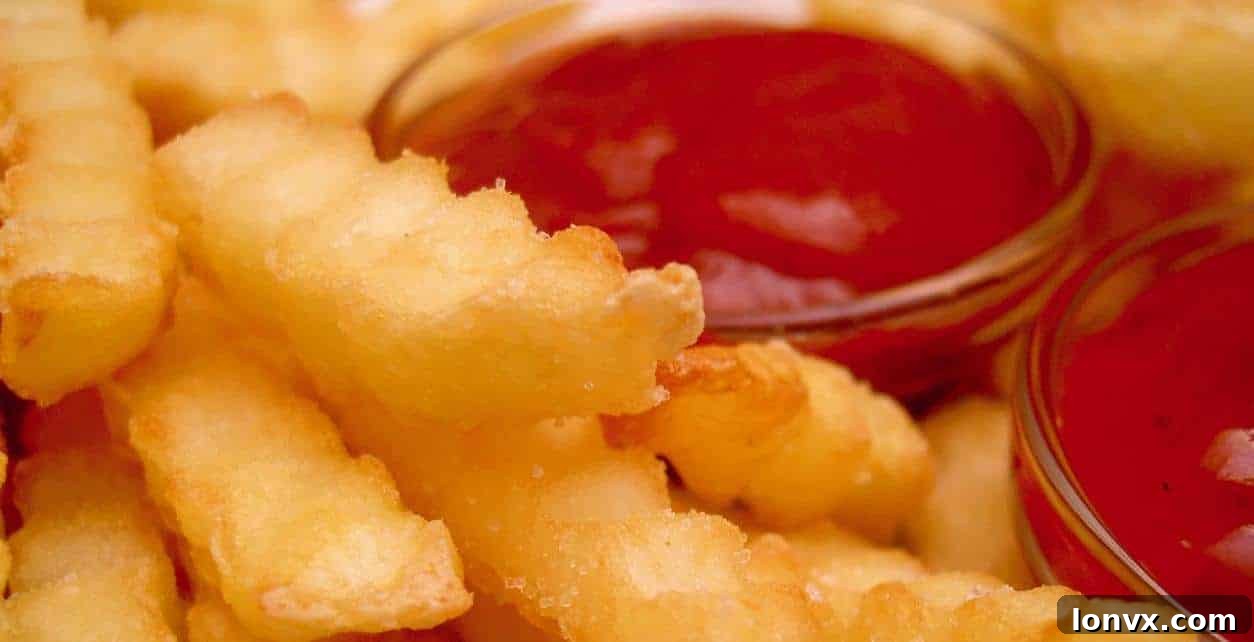
Mastering the Art of Homemade Pommes Frites: Your Ultimate Guide to Crispy Perfection
There’s an undeniable magic to perfectly crispy, golden-brown French fries. While store-bought options offer convenience, nothing compares to the sublime taste and texture of authentic homemade pommes frites. This comprehensive guide will walk you through every step, from selecting the right potatoes to the crucial double-frying technique, ensuring you achieve restaurant-quality fries right in your own kitchen. Prepare to impress your family and friends with a culinary masterpiece that elevates this humble side dish to an unforgettable gourmet experience.
Why Homemade Pommes Frites Are a Game-Changer
Forget everything you think you know about French fries. Homemade pommes frites are a revelation, offering a depth of flavor and a textural contrast that frozen alternatives simply cannot match. You have complete control over the quality of ingredients, the freshness of the oil, and the precise cooking method. The result is a fry that’s impossibly crispy on the outside, with a light, fluffy interior, and a pure potato flavor that shines through. It’s an investment of time, yes, but one that pays off handsomely in culinary satisfaction and the sheer delight of eating the best fries you’ve ever tasted.
Essential Equipment for Deep Frying Success
Safety and consistency are paramount when deep frying. Having the right tools on hand will make the process much smoother and safer. Here’s what you’ll need:
- Heavy-Coated Cast Iron Pot or Dutch Oven: This is non-negotiable. A heavy-bottomed pot, ideally cast iron, maintains a stable oil temperature, which is critical for even cooking and safety. Lightweight pots are prone to rapid temperature fluctuations and pose a significant safety risk. Ensure it has high sides to prevent splatters.
- Deep Fryer Thermometer: Precision is key. An accurate thermometer suitable for deep frying is indispensable for monitoring and controlling the oil temperature. Guessing can lead to burnt exteriors and raw interiors, or worse, dangerous oil situations.
- Long-Handled Slotted Spoon or Spider Skimmer: Essential for carefully lowering potatoes into hot oil and safely retrieving them. A long handle keeps your hands away from the heat.
- Metal Colander: For draining excess oil after the first fry.
- Paper Towels and Clean, Dry Cloth Dish Towels: You’ll need plenty of paper towels for draining fries and cleaning spills. Disposable cloth towels are also handy for patting potatoes dry and can be discarded if they become greasy.
- Large Metal Cookie Sheet or Baking Tray: For cooling the fries between frying stages. Metal conducts cold well, aiding in rapid cooling.
- Heat-Resistant Container for Oil Disposal: An old milk jug, coffee can, or dedicated oil disposal container. Never pour hot oil directly into the trash or down the drain.
- Fire Extinguisher (Optional but Highly Recommended): In case of an emergency, a Class K fire extinguisher designed for kitchen fires is a wise investment.
Choosing the Right Oil for Flawless Frites
The type of oil you use significantly impacts the flavor and texture of your fries. For deep frying, you need an oil with a high smoke point and a neutral flavor that won’t overpower the potatoes. My personal preference is corn oil, such as Mazola Oil, which is cholesterol-free and readily available. Other excellent choices include:
- Peanut Oil: A popular choice for deep frying due to its high smoke point and mild flavor.
- Canola Oil: Another neutral-flavored oil with a high smoke point, making it a good all-around option.
- Vegetable Oil (Blends): Often a blend of soybean, corn, and/or sunflower oils, these are generally good for frying.
Aim for an oil that can reach at least 400°F (205°C) without smoking excessively. Never reuse deep frying oil multiple times, as its smoke point degrades, and it can impart off-flavors. While it might seem like a cost-saving measure, the diminished quality and potential health implications are not worth it.
Safety First: Mastering Deep Frying Without Fear
Deep frying can seem intimidating, but by following strict safety protocols, you can enjoy this culinary technique with confidence. Always prioritize safety:
- Never Fill the Pot More Than Halfway: Oil expands when heated, and adding food will displace it. Overfilling can lead to dangerous boil-overs and splatters. Leave ample space at the top.
- Maintain Constant Vigilance: Never leave hot oil unattended. A moment of distraction can lead to a fire. Avoid multitasking when deep frying; your full attention is required.
- Monitor Oil Temperature Closely: Use your deep fryer thermometer at all times. Overheated oil can ignite, while underheated oil leads to greasy, soggy fries.
- Keep Water Away from Hot Oil: Water and hot oil are a dangerous combination. Even a small drop of water can cause violent splattering. Ensure all utensils and the food you’re frying are completely dry.
- Have a Clear Work Area: Keep your cooking surface clean and free of clutter. Wipe up any oil splatters immediately with a paper towel.
- Know How to Handle a Fire: In the rare event of an oil fire, never use water. Instead, turn off the heat source immediately, and smother the flames with a metal lid, a baking sheet, or a fire extinguisher.
- Ensure Adequate Ventilation: Open a window or use your range hood to prevent smoke and oil fumes from building up in your kitchen.
The Art of Preparing Perfect Potatoes
The foundation of great frites lies in the potatoes themselves. Careful preparation is key to achieving that coveted crispy exterior and tender interior.
Choosing the Right Potatoes
For the best pommes frites, opt for starchy potatoes like Russets (Idaho potatoes). Their high starch content and low moisture content make them ideal for frying, yielding a fluffy interior and crisp exterior. Avoid waxy potatoes, which tend to be denser and less absorbent, resulting in a greasier fry.
Cutting Techniques for Uniformity
Peel medium to large, firm potatoes completely. Using a sharp knife, cut them lengthwise into medium-large sized fries, approximately 1/4 to 3/8 inch thick. Consistency in size is crucial for even cooking; uneven fries will result in some being overcooked and others undercooked.
The Soaking Secret: Crispness and Color
Once cut, soak the potatoes in a mixture of cold water, a couple of tablespoons of sugar, and half as much salt for at least 30 minutes. Cover the bowl and let it stand on the counter. This soaking process achieves several things: it helps to remove excess surface starch, preventing the fries from sticking together and promoting crispness. The sugar aids in caramelization, contributing to that beautiful golden-brown color, while the salt enhances flavor. This step is a secret weapon for truly superior fries.
Drying is Crucial
After soaking, thoroughly pat the potato strips dry with a clean tea towel. Do not rinse them after soaking; you want to retain the starch that helps create a crisp crust. Any residual moisture will cause the oil to splatter dangerously and prevent the fries from achieving maximum crispness.
The Two-Stage Frying Method: The Secret to Ultimate Crispness
The secret to truly extraordinary pommes frites lies in the double-frying technique. This method ensures the potatoes are cooked through on the inside before being crisped to perfection on the outside.
First Fry: The Blanching Stage (325°F / 160°C)
Heat your corn oil in your heavy-bottomed pot to a medium heat of 325°F (160°C). Control the temperature closely with your thermometer. Carefully lower a small batch of the dried potato strips into the hot oil using a slotted spoon. Do not overcrowd the pot, as this will drastically lower the oil temperature. Fry for approximately five minutes at this temperature. During this stage, the potatoes will cook through and become tender, but they won’t yet be golden or crispy. They should still be pale and soft. Remove the fries from the oil and drain them in a metal colander lined with paper towels. Remember, they are not fully cooked at this point.
Cooling and Resting
While the first batch is draining, remove your oil pot from the heat source and cover it. This step helps prevent the oil from overheating while you prepare for the second fry. Take the partially cooked fries and wrap them in a clean tea towel (one you can later dispose of due to oil residue). Place the wrapped fries on a metal cookie sheet and refrigerate them in the coldest part of your fridge for at least an hour. This crucial cooling period allows the internal moisture to redistribute and sets the stage for unparalleled crispness in the second fry.
Second Fry: The Browning and Crisping Stage (400°F / 205°C)
After the fries have thoroughly chilled, return your covered oil pot to the burner. Uncover the pot before reheating the oil. It is imperative to never put a lid on an oil pot while it is in use on a burner. Allow the oil to reach a scorching 400°F (205°C). Uncover the cold fries. Carefully, using your large slotted spoon, gently lower just a few cold fries at a time into the very hot oil. The significant temperature difference between the cold fries and the hot oil will cause them to “poof” and puff up, developing that characteristic crisp exterior. Because the cold fries drop the oil temperature rapidly, fry in small batches and continuously adjust your heat source to maintain that 400°F (205°C) target. Continue frying until they are gloriously golden brown and irresistibly crispy, typically 2-3 minutes per batch.
Finishing Touches and Serving Suggestions
Once your pommes frites emerge from the oil, quickly transfer them to a paper towel-lined plate or cooling rack to drain any excess oil. Salt them immediately while they are still super hot – this helps the salt adhere best. And just like that, you have homemade pommes frites, the most wonderful “French” fries ever!
These crispy delights are fantastic on their own, but they also pair wonderfully with various dipping sauces. Get creative! Some popular choices include:
- Aioli: A garlicky mayonnaise, whether homemade or store-bought, complements the richness of the fries beautifully.
- Homemade Tomato Ketchup: A classic for a reason, homemade versions offer a fresher, tangier flavor.
- Sour Cream Sauce: Simple and refreshing, perhaps with a hint of chives or dill.
- Unique Sweet Touch: For the adventurous, a flurry shower of granular sugar on your hot frites offers a surprising and delightful sweet-and-savory contrast.
These pommes frites are a nice accompaniment to many dishes, and work especially well as a side dish to any of my recipes, particularly those in my sea food birthday party fare grouping. Explore seafood pairings here.
If you have an outdoor living space with an additional freestanding attached burner – perfect for patio barbecues (though not recommended for balcony preparation) – this recipe can be made outside. It’s a wonderful treat with your favorite barbecued steak and a fresh salad. Perhaps this salad recipe is a good choice.
Proper Oil Disposal and Cleanup
Responsible disposal of used cooking oil is just as important as the frying process itself. Never pour hot or even cooled oil down your sink or toilet, as it can solidify and cause severe clogs in your plumbing and municipal sewer systems. Once your oil has completely cooled, funnel it into a sturdy, heat-resistant container with a lid (like an old milk jug or coffee can) and dispose of it with your regular household trash. Many municipalities also have cooking oil recycling programs, so check with your local waste management services for options.
For cleanup, wash all containers and utensils that came into contact with oil thoroughly in very hot, soapy water before putting them in your dishwasher. This prevents oil residue from clogging up your dishwasher’s filters and spray arms. A spotless work surface isn’t just for safety; it also makes cleanup much easier.
When the irresistible fragrances of your homemade meal-making efforts waft through the air, you might just find your neighbors knocking! And this is certainly a recipe you’ll want to make at a cottage or during a special gathering. But I cannot stress often enough, when deep frying, always be careful and dispose properly of anything with oil attached, and the oil itself. What you might save in the cost of buying new oil by reusing old oil is simply not worth the compromise in quality or potential health concerns.
From Lady Ralston’s Kitchen: A Canadian Contessa Cooks.