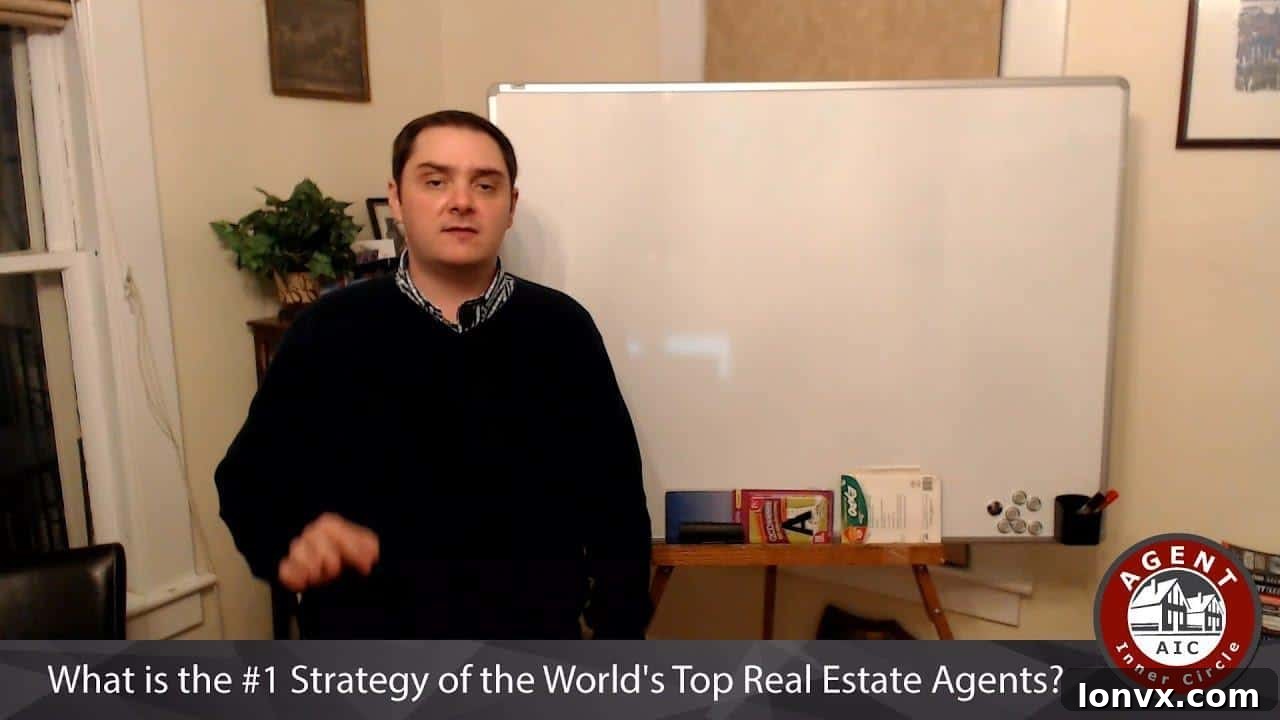
The Secret to Sustainable Success for Top Real Estate Agents: Unleashing Your Invisible Asset
Over the last decade, I’ve had the privilege of working alongside more than 15,000 real estate professionals across North America, witnessing firsthand the diverse strategies they employ to grow their businesses. Each interaction has been a valuable lesson, revealing both remarkable successes and crucial learning opportunities. From these countless conversations and experiences, one undeniable truth consistently emerges, defining the careers of truly prosperous agents who thrive without constantly chasing the next deal.
While successful agents undoubtedly implement a variety of effective tactics, there’s a singular, overarching strategy that consistently generates more business for all of them. It’s a principle so fundamental yet frequently overlooked, often eclipsed by the allure of seemingly quick-win, cold lead generation methods. What is this powerful secret?
It sounds deceptively simple: “Focus on where the money is!” Yet, this straightforward adage holds the key to unlocking sustainable growth and reducing the relentless pressure that many agents face. Far too often, this critical focus is sidelined in favor of high-effort, low-conversion activities like cold leads from Facebook, aggressive cold-calling, door-knocking campaigns, or pursuing expired listings and For Sale By Owners (FSBOs). Moreover, even agents who attempt to prioritize their existing relationships sometimes do so using outdated or ineffective methods.
The core of this strategy revolves around what we’ve come to call the “Invisible Asset.” This asset isn’t a flashy new marketing tool or a complex lead generation system; it’s the top 20% of your existing contacts – your “power list.” These are individuals already within your sphere of influence, who know you, trust you, and are by far the most likely to do business with you, or refer business to you. Ignoring this group in pursuit of strangers is akin to leaving gold on the table while digging for pebbles.
To truly understand the power of focusing on your invisible asset, it’s essential to compare its efficacy against the common, yet often exhausting, cold lead generation methods. Many agents dedicate significant time, money, and energy to acquiring new, unknown prospects, only to face an uphill battle against skepticism, low conversion rates, and intense competition.
Why the Invisible Asset Outperforms Cold Leads
The allure of new, untouched leads can be strong, but the reality of converting strangers into clients is often harsh. Cold lead generation methods, while widely practiced, typically suffer from several significant drawbacks that make them less efficient and ultimately more draining than leveraging your existing network.
The Challenges of Cold Lead Generation:
- Low Conversion Rates: Strangers are inherently skeptical. It takes immense effort, repeated contact, and a significant investment of time to build trust from scratch. This results in significantly lower conversion rates compared to working with known contacts who already trust you.
- High Cost Per Acquisition: Whether through expensive paid advertising campaigns, time-intensive prospecting (like cold-calling or door-knocking), or purchasing lead lists, the financial and time cost of acquiring a cold lead and nurturing them to conversion can be astronomical.
- Increased Rejection and Burnout: Cold outreach is fraught with rejection, which can quickly lead to agent burnout, diminished motivation, and a negative perception of the business.
- Unsustainable Growth Model: Relying solely on cold leads means constantly having to refill the top of your sales funnel. This creates a relentless, unsustainable cycle that prevents long-term, compounding growth and steady income.
- Lack of Client Loyalty: Clients acquired through cold methods often lack deep loyalty and may view their transaction as purely transactional. They are less likely to provide repeat business or actively refer others.
In stark contrast, your invisible asset operates on principles of established trust, existing relationships, and social proof. These individuals already have a foundational connection with you, making the path to conversion shorter, more enjoyable, and significantly more profitable. The effort invested here yields far greater returns.
Identifying and Cultivating Your Power List
The first critical step in leveraging your invisible asset is to clearly define who constitutes your top 20% and to meticulously develop a robust “power list.” This isn’t merely about having a large database; it’s about intelligent segmentation, strategic prioritization, and a focused approach to relationship management.
Who Belongs on Your Power List?
- Past Clients: These are individuals you’ve successfully helped buy or sell real estate. They have firsthand experience of your professionalism, expertise, and service quality. They are your most valuable advocates.
- Consistent Referrers: People who have actively sent business your way in the past, or who are exceptionally well-connected and inclined to refer others. This group often includes professionals in complementary fields.
- Key Influencers: Individuals with significant social capital and wide networks within your target market. These could be local business owners, community leaders, or highly social individuals who are respected by many.
- Friends and Family: Your closest circle who trust you implicitly. While sometimes overlooked, they are often your biggest champions and can provide invaluable referrals.
- Professional Network: Mortgage brokers, financial advisors, contractors, lawyers, and other service providers who regularly interact with potential home buyers and sellers. Establishing reciprocal referral relationships with these professionals is crucial.
Strategies for Building and Maintaining Your Power List:
- Database Audit and Segmentation: Begin by thoroughly reviewing your entire contact list. This includes your CRM, phone contacts, email lists, and even social media connections. Categorize each contact based on their relationship with you, their past interactions, and their potential to provide business or referrals.
- Prioritize and Rank: Develop a ranking system for your contacts. Who are your “A-list” clients and referrers – those who provide the most value? Who are your “B-list” who have significant potential to grow into A-list contacts? This helps in allocating your time and resources effectively.
- Regular Updates and Expansion: Your power list is not static. Continuously add new valuable connections and diligently update information for existing ones. People’s lives, needs, and networks evolve, so your list should too.
- Dedicated CRM Management: Implement and meticulously use a robust Customer Relationship Management (CRM) system. This is non-negotiable for effective nurturing. A good CRM allows you to track interactions, set reminders for follow-ups, and manage personalized communication workflows for each segment of your power list.
Nurturing Your Invisible Asset: The Art of Lasting Relationships
Once you’ve identified and categorized your invisible asset, the truly rewarding work — and the real rewards — begin. Nurturing these relationships isn’t about employing aggressive sales tactics; it’s about consistently providing genuine value, staying top-of-mind in a positive way, and demonstrating authentic care. This thoughtful cultivation process is what transforms potential into predictable, high-quality business, built on a foundation of trust and respect.
Effective Nurturing Strategies:
- Consistent, Value-Driven Communication:
- Personalized Market Updates: Go beyond generic market reports. Send concise, hyper-local insights that genuinely inform your contacts about trends affecting their specific neighborhood or interests.
- Valuable Content Sharing: Curate and share articles, blog posts, or videos on topics relevant to homeowners or future homeowners. This could include homeownership tips, local community events, home renovation ideas, or financial advice. The goal is to be a resource, not just a salesperson.
- Thoughtful Check-ins: Periodically reach out with a simple “How are you doing?” or “Thinking of you” message. These non-salesy interactions build goodwill and show you care beyond the transaction.
- Personalized Outreach and Follow-Up:
- Handwritten Notes: In an increasingly digital world, a personalized, handwritten thank-you note, a congratulatory card, or a holiday greeting can have a profound and memorable impact.
- Remember Special Dates: Acknowledge birthdays, home anniversaries, or other significant personal milestones. This demonstrates that you value them as individuals, not just as potential clients.
- “Pop-Bys” (Thoughtful Visits): Briefly dropping off a small, useful, or local gift (e.g., local bakery treats, seasonal items, branded notepads) to a client’s door can create a positive and lasting impression. Always keep it low-pressure and genuine.
- Regular Phone Calls: Schedule consistent, non-salesy phone calls to catch up, offer assistance, or simply touch base. These personal conversations significantly strengthen bonds.
- Strategic Engagement and Events:
- Client Appreciation Events: Host annual events such as pie giveaways during holidays, private movie nights, summer BBQs, or holiday parties. These events thank your clients, allow them to connect with you, and often foster connections among your sphere.
- Community Involvement: Actively participate in local charities, volunteer events, or community initiatives. Show your genuine commitment to the community you serve, which resonates deeply with your sphere and enhances your reputation.
- Networking Opportunities: Attend relevant industry and community events. Introduce key contacts to each other where appropriate, positioning yourself as a connector and resource.
- Mastering the Art of the Referral:
- Earn It, Don’t Expect It: The foundation of all referrals is delivering exceptional service every single time. Referrals are a natural consequence of outstanding work and delighted clients.
- Educate Your Sphere: Gently and consistently remind your contacts about the breadth of your services. Explain how you can help their friends and family, and describe the ideal client you’re looking for. Make it clear and easy for them to refer.
- Make It Easy to Refer: Provide business cards, shareable digital content, and clear instructions on how someone can easily refer a new client to you. Remove any friction from the referral process.
- Acknowledge and Reward: Always send a heartfelt thank-you and a small token of appreciation for any referral received, regardless of whether it ultimately closes. This reinforces positive behavior and encourages future referrals.
- Leveraging Social Proof: Testimonials and Reviews:
- Actively Solicit Reviews: After every successful transaction, politely ask your happy clients for a review on relevant platforms such as Google, Zillow, Realtor.com, or your personal website.
- Showcase Testimonials: Feature client testimonials prominently across all your marketing channels – on your website, social media profiles, and in your listing presentations. This builds immense credibility with your existing sphere and, crucially, with potential new referrals.
The Compounding Returns of Investing in Your Invisible Asset
The true brilliance of focusing on your invisible asset lies in its compounding effect. Unlike the constant, often exhausting churn of cold lead generation, the consistent effort you invest in your power list today continues to pay exponential dividends for years, even decades, to come. This strategy leads to a more predictable, profitable, and ultimately, more enjoyable and less stressful real estate career.
Key Benefits of This Approach:
- Higher Conversion Rates: Relationships built on genuine trust and familiarity naturally lead to significantly higher conversion rates and more closed deals.
- Lower Marketing Costs: Referral business is universally recognized as the cheapest, most efficient, and most effective form of marketing. Your clients become your unpaid sales force.
- Increased Repeat Business: Satisfied clients are not just referrers; they are also highly likely to use your services again for their next real estate transaction.
- Higher Quality Leads: Referred clients come to you pre-vetted with a degree of trust already established through their referrer. They are often more motivated and easier to work with.
- Reduced Stress and Burnout: Working predominantly with people who know, like, and trust you is inherently less stressful and more fulfilling than constantly facing rejection from strangers.
- Sustainable, Long-Term Growth: Your business grows organically through a robust network of loyal advocates, creating a stable and predictable pipeline of future opportunities.
- Enhanced Professional Reputation: A strong, active network of advocates elevates your professional standing and brand reputation within the community, attracting even more high-quality business.
Common Pitfalls to Avoid When Nurturing Your Sphere
Even with the best intentions, real estate agents can inadvertently make mistakes that undermine their efforts to effectively nurture their invisible asset. Being mindful of these common missteps can help you maintain the integrity and effectiveness of your relationship-building strategy.
- Inconsistency in Communication: Sporadic or infrequent communication is nearly as detrimental as no communication at all. Consistency is paramount to staying top-of-mind and maintaining strong connections.
- Being Overly Salesy: Constantly pushing for business or treating every interaction as a sales opportunity will quickly alienate your sphere. Focus on providing value and building genuine rapport first.
- Lack of Personalization: Sending generic mass emails or messages without any personal touch makes people feel like just another number in your database, diminishing the impact of your efforts.
- Neglecting Follow-Up: Failing to follow up after an event, a phone call, or even a received referral diminishes the perceived value of your interactions and can weaken relationships.
- Not Asking for Referrals (or Asking Incorrectly): Many agents are uncomfortable asking for referrals, or they do so ineffectively. Learning the art of asking for referrals in a natural, service-oriented way is a crucial skill.
- Ignoring “Smaller” Contacts: Sometimes, the quietest or seemingly less influential contacts can become your biggest advocates or possess vast untapped networks. Do not solely focus on the immediate “money” or obvious connections.
- Failing to Track and Measure: Without a robust CRM and consistent tracking of interactions and referral sources, you won’t be able to accurately assess what’s working, who your true power contacts are, or where to direct your efforts most effectively.
Embrace Your Invisible Asset for Unparalleled Real Estate Success
The collective wisdom shared by thousands of the most successful real estate agents points to an unmistakable truth: the most reliable, cost-effective, and genuinely enjoyable path to a thriving, sustainable real estate career lies in strategically focusing on your “invisible asset.” These are the relationships you’ve already cultivated, the trust you’ve already earned, and the network you’ve patiently built.
By dedicating consistent, value-driven effort to nurturing your top 20% of contacts, meticulously building a robust power list, and providing unwavering exceptional service, you can fundamentally transform your real estate business. Move beyond the exhausting cycle of constantly chasing cold leads and instead build a sustainable, referral-driven powerhouse that generates high-quality, pre-qualified business with greater ease and immense satisfaction.
Stop digging for pebbles when you’re standing on a goldmine. Shift your focus, invest deeply in your existing relationships, and watch your real estate business flourish with an abundance of loyalty, referrals, and unparalleled long-term success.
For a deeper dive into these strategies and more insights, you can watch the video or read the rest of the article here.