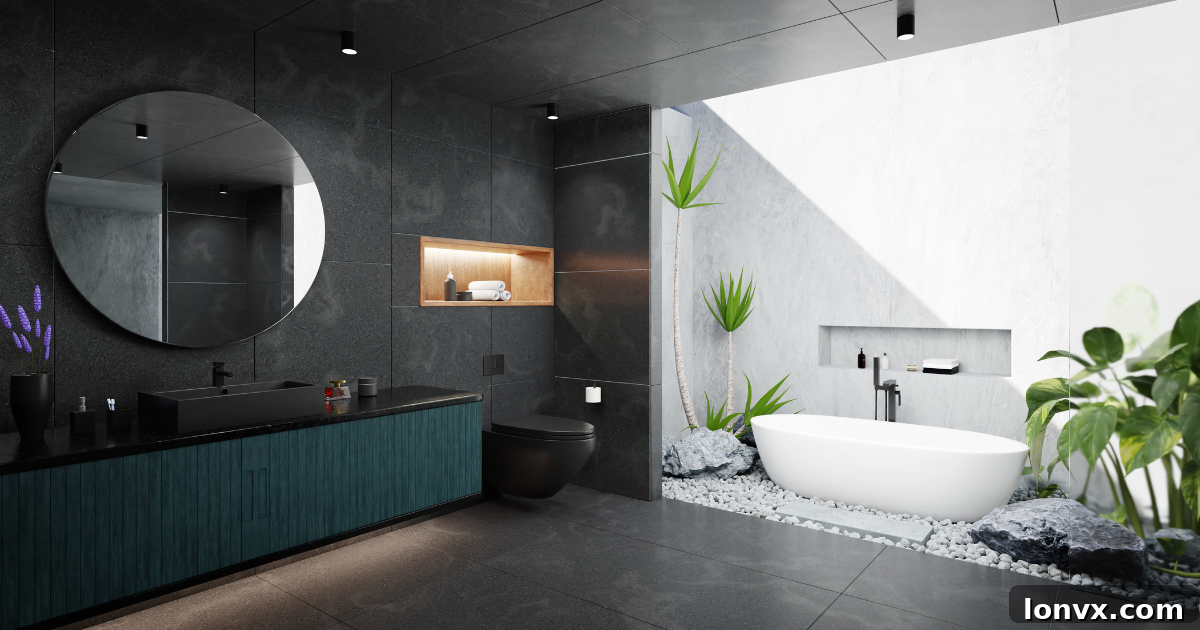
(Courtesy: Canva)
Jennifer Adams, Engel & Völkers lifestyle and design expert (courtesy: Engel & Völkers).
In an era where homes transcend their traditional role as mere shelters, the landscape of interior design is undergoing a profound transformation. Today, a truly inspiring living space is expected to do more than just reflect a particular aesthetic; it must intricately weave into the fabric of daily life, fostering well-being, productivity, and a deep sense of personal belonging. The modern homeowner views their residence as a sanctuary, a bespoke haven designed to nurture mind, body, and spirit.
This evolving perspective is expertly captured in the Engel & Völkers 2026 Home Design Trends Guide, which highlights a significant pivot towards spaces that prioritize holistic living. Key emerging trends include the seamless integration of wellness amenities, the thoughtful adoption of colors and materials that echo the serene beauty of the natural environment, and the inclusion of unique personal touches that celebrate the owner’s individuality and journey.
“Design is no longer driven by aesthetics alone. It is shaped by wellbeing, comfort and personal meaning,” states Jennifer Adams, a renowned lifestyle and design expert at Engel & Völkers, whose insights underscore the industry’s shift towards more meaningful and human-centric design philosophies.
Wellness as the New Standard in Home Design
The year 2026 marks a pivotal moment where homes are unequivocally being designed with a primary objective: to enhance the inhabitants’ sense of well-being. According to the Engel & Völkers guide, wellness is not merely an added feature but rather an foundational principle that informs every design decision, from the foundational layout to the minutest material selection.
Central to this wellness-first approach is the careful consideration of environmental factors within the home. Materials are now meticulously chosen for their ability to promote pristine air and water quality, moving beyond surface aesthetics to functional health benefits. This includes using low-VOC paints, natural fibers, and advanced filtration systems that ensure a healthy living environment. Furthermore, natural light is no longer treated as a decorative afterthought but as an essential element, shaping architectural layouts and influencing daily routines, maximizing its presence to boost mood, regulate circadian rhythms, and connect occupants with the outdoors.
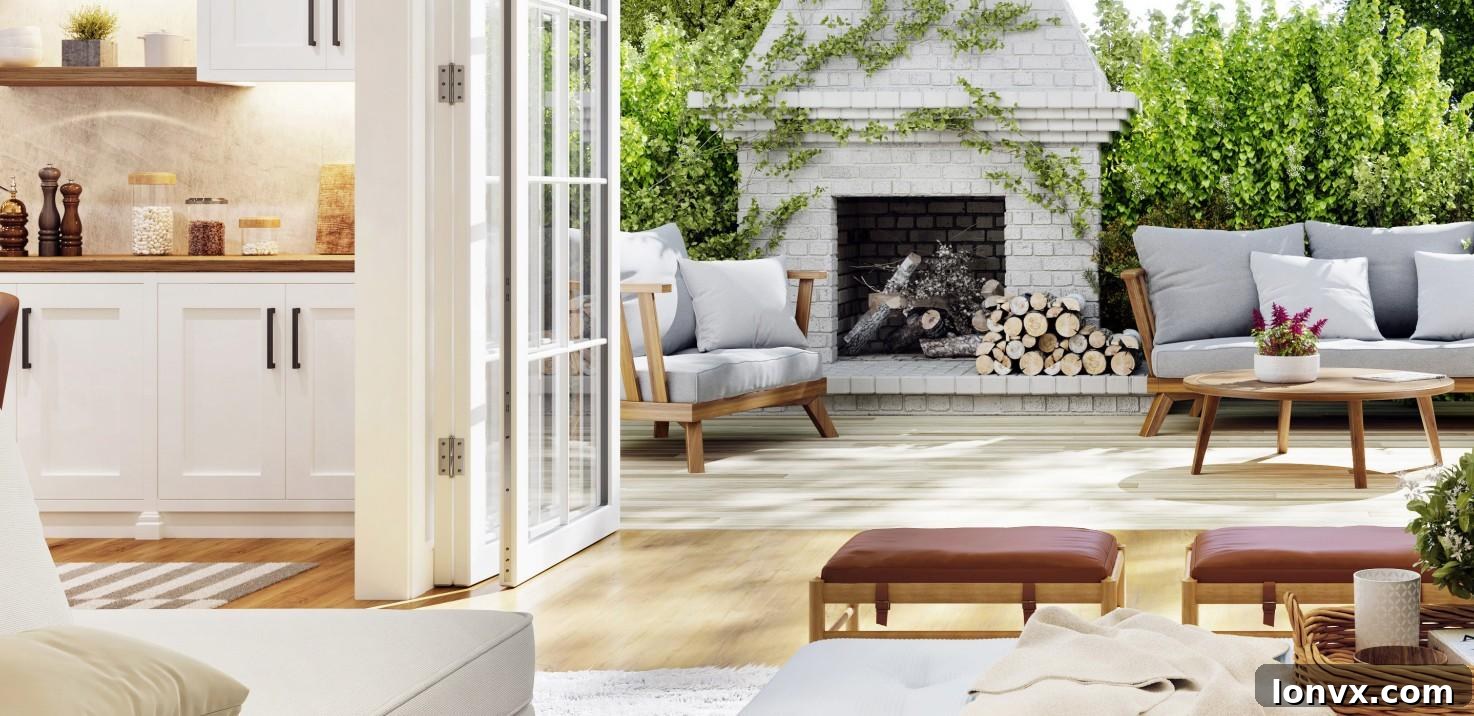
Airy, bright and functional are design keywords in 2026 (courtesy: Engel & Völkers).
Beyond passive elements, wellness is actively integrated into the home’s operational flow through highly flexible, multi-use spaces. These adaptable zones can seamlessly transform to support various personal rituals and activities, catering to a dynamic lifestyle. Imagine dedicated corners for invigorating yoga and stretching sessions, therapeutic cold plunge zones, tranquil steam showers, or even red light therapy nooks. Quiet recovery spaces, designed for meditation, reading, or simply unwinding, further exemplify how homes are becoming personalized wellness hubs. This holistic integration ensures that every facet of the home contributes to physical and mental rejuvenation, making wellness an intrinsic part of daily living rather than an occasional luxury.
Natural Settings Gently Guide Design Choices
The profound influence of the natural world on interior aesthetics is experiencing a renaissance, with design choices increasingly drawing inspiration from the surrounding landscape. However, this trend is far from prescriptive; rather, it’s an expansive interpretive approach. Designers are no longer confined by the immediate geography but rather inspired by its essence, translating natural elements into a universal design language.
For instance, coastal homes might naturally embrace a soothing palette of layered blues and mineral tones, reflecting the expansive ocean and sandy shores. Conversely, residences nestled in mountain ranges or arid desert landscapes tend to lean into rich, earthy palettes, mirroring the rugged terrain and warm, sun-baked hues. What’s truly innovative about this trend, as highlighted by the guide, is that “Those same colours are also used beyond geography, selected for the emotions they create rather than the setting alone.” This means the tranquil blues of a coastal theme can bring serenity to an urban apartment, and the grounding earth tones of a desert home can imbue warmth into a country retreat, demonstrating a deeper connection to the psychological impact of color.
This sensory-rich design extends beyond the visual. Scents, too, play a crucial role in curating the home’s atmosphere, following a similar approach of evoking specific moods and experiences. Imagine the crisp, invigorating aroma of sea minerals supporting mental clarity and focus, ideal for a home office or creative space. Conversely, the comforting embrace of warm, woody fragrances can create an inviting and cozy ambiance, perfect for living areas or bedrooms. Fresh botanicals, with their vibrant and uplifting notes, can inject energy and vitality into any room, connecting residents with the rejuvenating power of nature. This multi-sensory approach ensures that homes are not just seen but also felt, smelled, and experienced on a deeper, more evocative level, reinforcing the holistic wellness agenda.
Colour Theory Front and Centre: Crafting Moods with Palettes
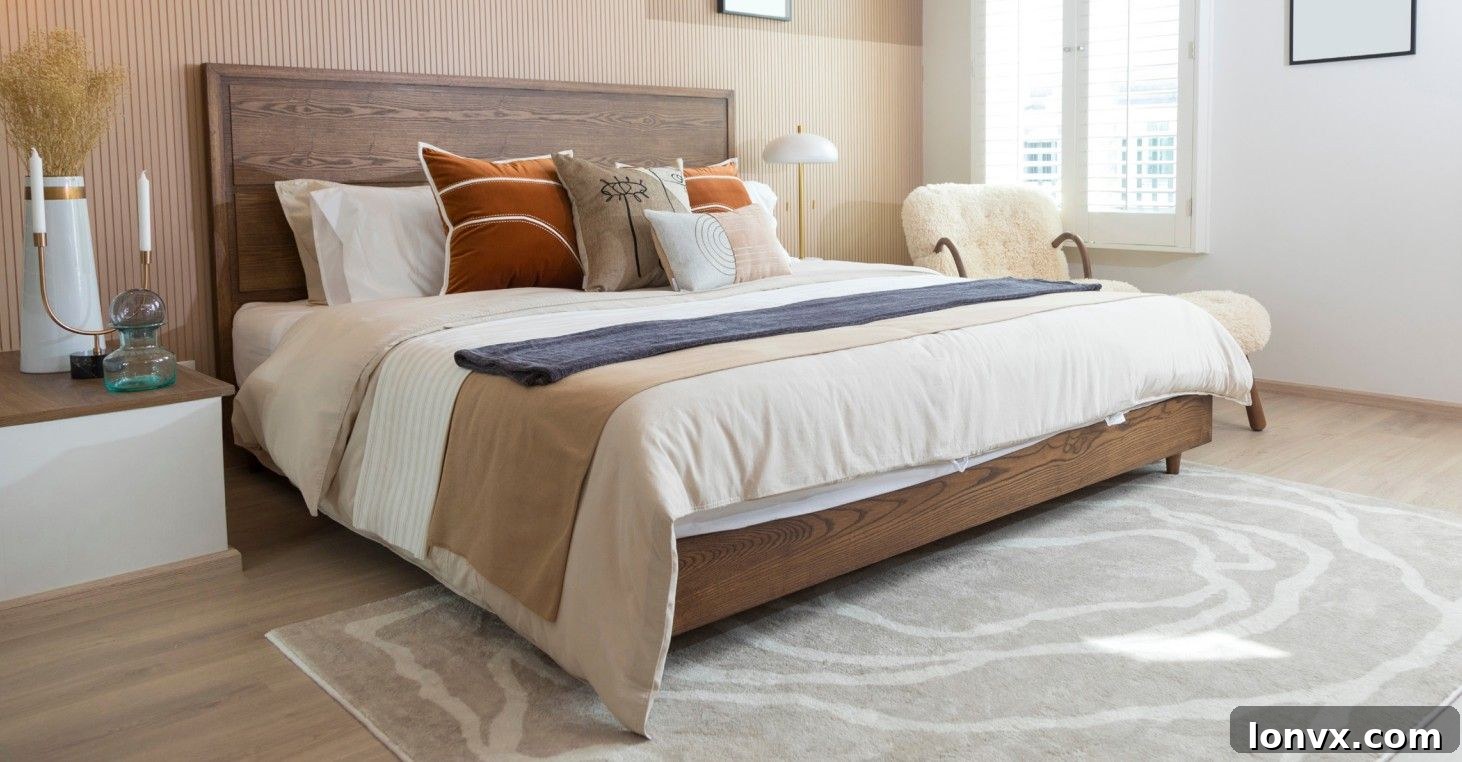
Modern earth tones bring warmth and comfort to a space (courtesy: Engel & Völkers).
Engel & Völkers identifies three distinct yet interconnected color palettes poised to define design trends this year, each deeply rooted in the natural world and carefully selected for its inherent ability to influence mood and atmosphere. These palettes move beyond fleeting fads, offering timeless appeal and a grounded connection to nature.
The Grounding Embrace of Earth Tones
The first palette centers around a desire for comfort, stability, and groundedness, manifested through a rich array of browns, spicy tones, taupe, clay, chalky neutrals, and other warm earth hues. This collection of colors evokes the serene beauty of natural landscapes – sun-baked soil, ancient stones, and autumnal forests – creating an inherently inviting and secure feeling within the home. To complement this aesthetic, designers are integrating tactile elements such as chunky woven throws, luxurious boucle accents, and relaxed, breathable linens. Patterns inspired by natural geological formations, like sediment layers, and the subtle variations of sun-faded stone add depth and organic texture, reinforcing the connection to nature and fostering a profound sense of warmth and belonging. This palette transforms a house into a comforting retreat, a true sanctuary from the external world.
Coastal Calm: Serenity in Blues and Neutrals
The second dominant palette channels the serene and restorative energy of coastal environments, utilizing a spectrum of pale to deep blues, harmoniously paired with soft greys and warm wood tones. This combination conjures an atmosphere of tranquil waters, expansive skies, and weathered driftwood, inviting inhabitants to slow down, breathe deeply, and find inner peace. Homes designed with this palette emphasize openness, abundant natural light, and an effortless flow between spaces, mirroring the unconstrained feeling of the seaside. The aesthetic prioritizes airiness and restorative qualities, creating environments that feel fresh, light, and utterly relaxing. This isn’t just about recreating a beach house; it’s about infusing any space with the calming, stress-reducing qualities inherent in coastal landscapes, promoting a sense of ease and well-being.
Garden Greens: Bringing Nature Indoors with Modernity
Finally, green hues emerge as a powerful trend, bridging the gap between the indoors and outdoors in a manner that feels both contemporary and profoundly liveable. Trending shades like tranquil sage, vibrant leafy green, and deep forest green, when combined with warm neutrals and complementary earth tones, bring the revitalizing essence of a lush garden into the home. This palette is perfectly matched with layered textures that artfully echo foliage and organic forms, such as botanical prints, natural plant fibers, and handcrafted ceramics. The guide emphasizes that “Design supports wellness rituals through fresh air, indoor greenery, purified water, and spaces dedicated to calm.” It further clarifies that “Nature is not treated as decor, but as an essential part of how the home functions.” This approach signifies a commitment to biophilic design, where living elements and natural principles are fundamental to the home’s ecosystem, fostering a continuous connection to the rejuvenating power of the natural world.
Embracing Imperfection: The Art of Personalized Living
The notion that homes should conform to a sterile, one-size-fits-all ideal is rapidly fading. Instead, the modern design philosophy celebrates the idea that living spaces should be dynamic, curated reflections of how people genuinely live, embracing the beautiful imperfections that make a house a home. This trend champions authenticity and personal narrative over pristine, unblemished surfaces.
At the heart of this movement is the mindful collection of pieces that resonate deeply with the homeowner. These are not merely decorative items but tangible storytellers: cherished heirlooms passed down through generations, unique artisan work discovered on travels, and souvenirs from meaningful adventures. When imperfection is embraced – a slightly worn rug, a handmade ceramic with unique variations, a vintage piece with character – homes transform into layered, soulful, and genuinely lived-in spaces. This approach cultivates an atmosphere of comfort and authenticity, inviting residents and guests alike to relax and feel truly at home.
While embracing imperfection, there is still a thoughtful curation involved to ensure cohesion within the home’s overall theme. The Engel & Völkers guide illustrates this beautifully: “Warm earth interiors highlight natural materials and heirloom objects, seaside cool spaces reflect global and artisanal influences and garden green environments showcase hand-painted and organic forms.” This means that while individuality is paramount, each piece is selected to contribute to a larger, harmonious narrative. Whether it’s the rugged authenticity of reclaimed wood in an earthy interior, the exotic textures found in a globally inspired coastal home, or the delicate brushstrokes of a botanical artwork in a green-themed space, every element adds a unique layer to the home’s evolving story. This trend encourages a conscious approach to decorating, moving away from mass-produced uniformity towards a personalized aesthetic that truly reflects the individual soul of the home and its inhabitants, fostering a deep connection to their surroundings and a sense of enduring charm and character.