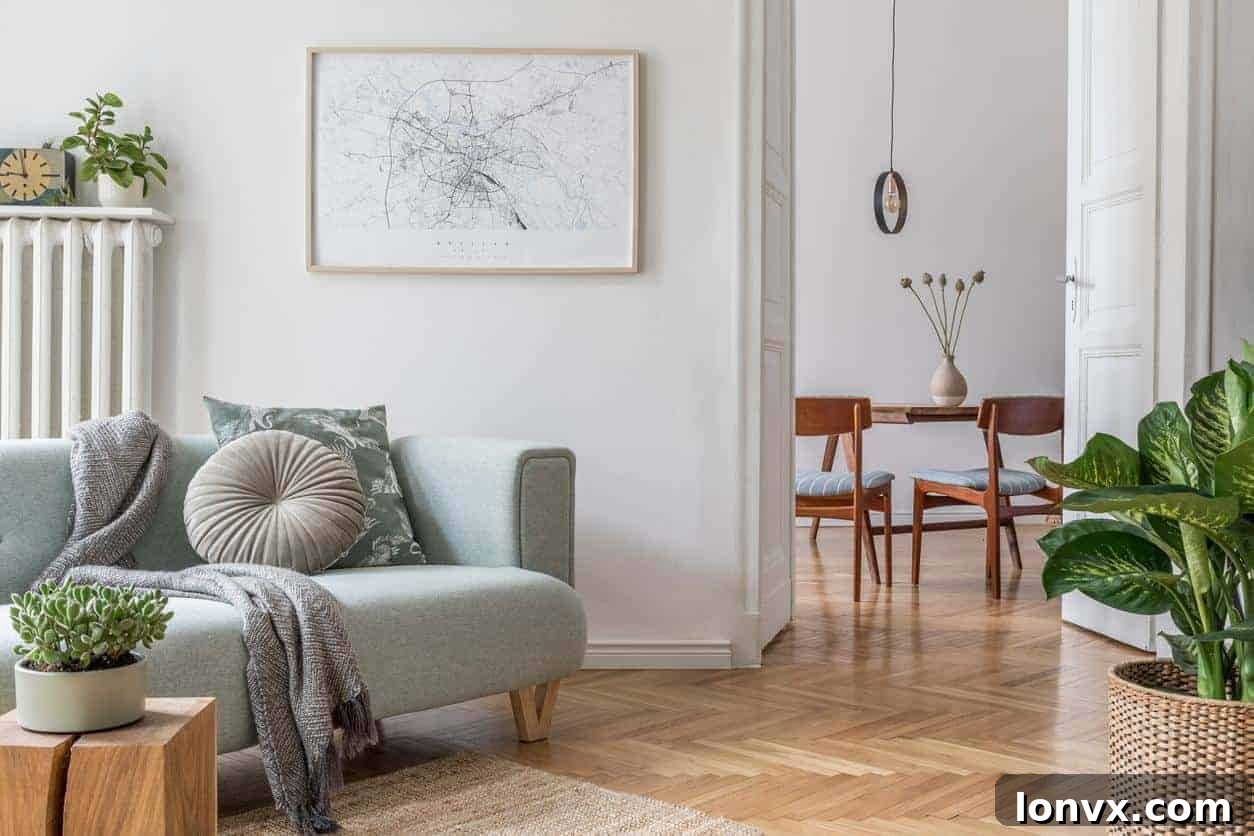
Demystifying Home Staging Costs: An Investment, Not an Expense in Real Estate
In today’s highly competitive real estate market, the strategic advantage of professional home staging has shifted from a luxury to an essential component of a successful property sale. Over the past five to seven years, real estate professionals and homeowners alike have increasingly recognized the transformative power of staging, understanding its critical role in attracting buyers and maximizing sale potential. However, despite this growing acceptance, the financial investment required for professional staging services often remains a point of contention and misunderstanding.
Many homeowners question the associated fees, often deeming them excessive or an unnecessary expense. This article aims to pull back the curtain and provide a transparent, comprehensive breakdown of what truly constitutes the cost of professional home staging services. By understanding the intricate layers of investment and expertise involved, you’ll gain a clearer perspective on why staging is an invaluable strategic move, not just another item on your selling checklist.
Understanding the Breakdown of Professional Staging Fees
To illustrate the scope, consider an average vacant staging project for an entire three-bedroom house, complete with a family room, living room, dining room, and breakfast area. Such a comprehensive project can typically range from $5,000 to $6,000, excluding taxes. While this figure might initially seem substantial, a closer look reveals a meticulous orchestration of resources, skilled labor, and significant overheads that are fundamental to delivering exceptional results. Let’s delve into the specific elements that contribute to this fee.
1. The Substantial Investment in Staging Inventory
- Approximately 50 percent of the total staging fee is allocated to the rental and usage of high-quality inventory items. This encompasses a vast array of elements designed to create an inviting and aspirational living space.
- **Furniture:** This includes everything from sofas, accent chairs, dining tables, beds, and nightstands to coffee tables and console tables. Professional stagers maintain a diverse collection of styles, sizes, and finishes to suit various property types and target demographics.
- **Artwork and Decor:** A curated selection of artwork, mirrors, sculptures, and decorative accents is crucial for adding personality, scale, and visual interest to each room. These items are carefully chosen to enhance the architectural features and overall aesthetic of the home.
- **Rugs:** Area rugs define spaces, add warmth, texture, and can significantly elevate the perceived value of a room. Stagers invest in various sizes and patterns to complement different flooring and furniture arrangements.
- **Linens and Soft Goods:** High-quality bedding, decorative pillows, throws, towels, and window treatments are essential for creating luxurious, comfortable, and inviting environments, particularly in bedrooms and bathrooms.
- **Small Accents:** Vases, books, plants, kitchenware, and other small decor items add the finishing touches, making a house feel like a cherished home.
- Whether a staging company owns its extensive inventory or relies on rental services, significant costs are always involved. This includes the initial purchasing or rental fees, ongoing maintenance, cleaning, repairs, and the constant need to update items to reflect current design trends and ensure immaculate presentation. Maintaining a fresh, diverse, and high-quality inventory is a continuous, considerable financial commitment that directly impacts the effectiveness of the staging.
2. The Value of Expert Labor and Meticulous Time Investment
The staging process involves far more than simply moving furniture. It’s a highly skilled, multi-stage operation requiring significant time and expertise from a dedicated team:
- **Consultation, Planning, and Design (2-3 hours per project):** This critical initial phase involves an on-site visit to assess the property’s unique features, identify its target buyer demographic, and develop a tailored design strategy for each room. Professional stagers spend hours conceptualizing layouts, selecting specific inventory pieces from their warehouse, creating detailed packing lists, and often developing mood boards to visualize the final outcome. This requires a keen eye for design, deep market knowledge, and strategic thinking to maximize the home’s appeal.
- **Logistics, Packing, and Preparation (Varies by project):** Before installation day, the chosen inventory must be meticulously pulled from storage, cleaned, carefully packed, and loaded onto transport vehicles. This logistical dance ensures that every item arrives safely and is ready for placement.
- **Professional Staging Installation (4-6 hours with a team of two stagers):** This is the physical transformation phase. A skilled team carefully transports, unpacks, and precisely positions all furniture, art, rugs, and accessories. This isn’t just about placing items; it involves understanding spatial relationships, creating focal points, balancing colors and textures, and ensuring every detail, from fluffing pillows to arranging books, contributes to a cohesive and aspirational presentation. It’s physically demanding work combined with creative artistry.
- **De-Staging (2-3 hours for a team of two):** Once the property is sold and the staging period concludes, the team returns to carefully dismantle the setup. This involves methodically packing all items, loading them back onto vehicles, and ensuring the property is left in pristine condition, with no damage to walls or flooring.
- **Unpacking and Inventory Return (1-2 hours):** Back at the warehouse, the de-staged items are unpacked, inspected for any damage, cleaned, and meticulously returned to their designated places in inventory. This ensures availability for future projects and maintains the quality of the collection.
- In total, a typical three-bedroom vacant project alone requires approximately nine to 14 hours of direct labor, not including the significant time dedicated to ongoing inventory maintenance, administration, and travel between locations. Each hour represents specialized expertise and efficient execution.
3. Significant Warehousing and Storage Expenses
- A professional staging company’s ability to offer a diverse range of high-quality inventory is directly tied to its warehousing capabilities. The more extensive and varied the inventory a stager carries, the larger the warehouse space required.
- **Facility Costs:** This includes rent or mortgage payments for a commercial property, utilities such as electricity, heating, and cooling (often climate-controlled to protect delicate items), and ongoing maintenance of the facility.
- **Security and Insurance:** High-value inventory necessitates robust security systems and comprehensive insurance policies to protect against theft, damage, and other liabilities. These are substantial ongoing costs.
- **Organization and Management:** Maintaining an organized warehouse requires shelving, bins, and often specialized inventory management software to track thousands of individual items efficiently. These systems are crucial for operational efficiency and project planning.
4. Transportation: The Logistical Backbone
- Transporting large, delicate, and numerous staging items safely and efficiently to and from each property is a complex logistical challenge.
- **Vehicle Fleet:** Many stagers lease or own a fleet of specialized vehicles, ranging from large vans to box trucks, designed to accommodate furniture and fragile decor. These vehicles come with their own set of expenses: purchase or lease payments, commercial vehicle insurance, registration, and routine maintenance and repairs.
- **Fuel Costs:** The current high cost of fuel significantly impacts operating expenses, especially given the frequent travel to various project sites across different regions.
- **Equipment:** Investing in moving blankets, dollies, ramps, and other essential equipment to protect items and property during transit and installation is also a recurring cost.
5. Comprehensive Business Overhead and Operational Costs
- Like any legitimate business, a professional home staging company incurs a wide array of everyday operational expenses that are vital for its sustained operation and service quality:
- **Insurance:** Beyond inventory and vehicle insurance, this includes general liability insurance (to protect against unforeseen accidents on client properties), professional indemnity insurance, and worker’s compensation for employees. These are non-negotiable protections for both the business and its clients.
- **Taxes and Fees:** A range of local, state, and federal taxes, along with various business permits and licenses, must be regularly paid.
- **Industry Association Dues:** Membership in professional staging or real estate associations provides ongoing education, networking opportunities, and lends credibility to the business.
- **Office Expenses:** Rent for office space (if separate from the warehouse), utilities, office supplies, and business software subscriptions (e.g., accounting software, CRM systems, design programs) are all necessary.
- **Marketing and Branding:** Maintaining a professional online presence, including website development and hosting, SEO efforts, social media management, professional photography of staged properties, and advertising, is crucial for attracting new clients.
- **Professional Development:** Staying abreast of current design trends, materials, and staging techniques through workshops, courses, and conferences is essential for delivering cutting-edge service.
- **Salaries and Benefits:** For administrative staff, movers, and design assistants who support the lead stagers.
The True Return on Investment: Staging as a Strategic Asset
While professional staging companies strive for a gross profit margin of around 30 percent, achieving this target can be exceptionally challenging given the extensive operational costs detailed above. So, when considering all the elements that contribute to running a sophisticated and effective home staging business, is the investment truly “too expensive”?
Consider the alternative: properties that sit on the market longer often lead to price reductions, increased carrying costs (mortgage payments, utilities, taxes, insurance), and lost opportunity costs for sellers. Industry data consistently shows that staged homes sell faster and often for a higher price than their unstaged counterparts. The investment in staging can potentially generate thousands in additional sale revenue and significantly reduce the time a property spends on the market. It’s an investment that pays dividends, often exceeding its initial cost.
Beware of Unrealistic Low Fees
It’s important to exercise caution when encountering staging services that offer exceptionally low fees. Businesses that undercut market rates typically lack the financial resources to sustain high-quality operations. Such providers, often referred to as “hobbyists,” are unlikely to possess a diverse, well-maintained inventory of quality furniture and decor. More critically, they may not carry the necessary commercial insurance policies – including general liability and worker’s compensation – to protect themselves, your property, and their team in case of damage or accident. Choosing an under-insured or unprofessional stager can expose you to significant risks and liabilities, ultimately detracting from the professionalism and value you seek in selling your home.
Conclusion: Staging as a Prudent Business Decision
When you meticulously factor in the extensive inventory investment, the highly skilled labor involved in design and execution, the substantial overhead of warehousing and transportation, and the comprehensive business operational costs, it becomes abundantly clear that professional home staging is not an arbitrary expense. It is a calculated, strategic investment in real estate marketing.
Professional home staging transforms a house into a buyer’s aspirational home, creating emotional connections, showcasing a property’s best features, and ultimately facilitating a quicker, more profitable sale. Understanding the detailed breakdown of these costs allows homeowners to view staging not as an optional cost, but as a powerful tool that maximizes their return on one of their most significant assets.