The Evolving World of Home Staging: Navigating the Pros and Cons of Virtual Solutions
The landscape of real estate marketing is constantly evolving, with technological advancements introducing innovative tools to help properties stand out. Among these, virtual home staging has emerged as a prominent trend, offering a modern alternative to traditional physical staging. Once a nascent technology characterized by noticeably digital renderings, virtual staging has matured significantly. Today, virtually styled rooms boast a remarkable level of realism, often making it challenging for the untrained eye to discern them from their physically staged counterparts. This transformation has made it an attractive option for sellers and real estate agents looking to present properties in their best light without the logistical complexities and costs associated with conventional staging.
However, despite its impressive evolution and growing popularity, virtual home staging is not without its nuances and potential pitfalls. While it offers undeniable benefits, it also introduces a unique set of challenges that warrant careful consideration. The ultimate goal of any staging effort, whether physical or virtual, is to captivate potential buyers, help them visualize themselves living in the space, and ultimately, facilitate a quicker and more profitable sale. The key question, therefore, isn’t just about the visual quality of virtual staging, but whether it effectively achieves these fundamental objectives for all types of buyers and properties.
What is Virtual Home Staging?
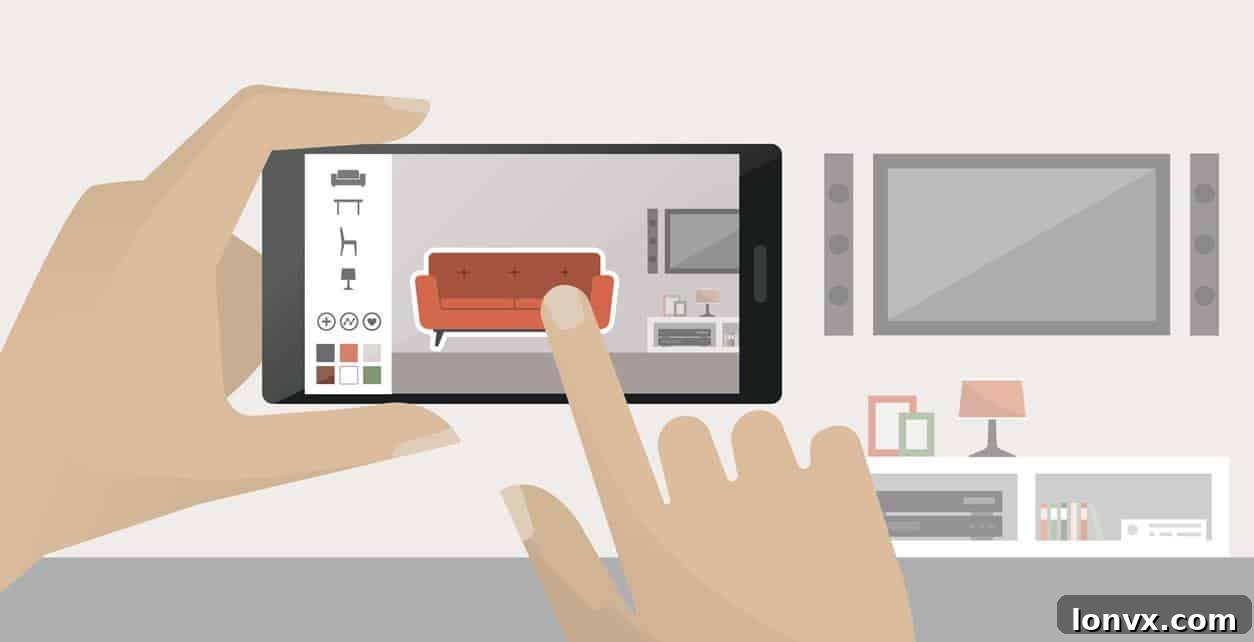
Virtual home staging involves digitally furnishing and decorating an empty or outdated room in a property using specialized software. Instead of physically moving furniture, accessories, and artwork into a space, designers use computer-generated imagery (CGI) to create a lifelike representation of what the room could look like. This process allows for a wide array of design choices, from contemporary minimalist styles to classic opulent themes, all without ever disturbing the physical space. The resulting images are then used in online listings, brochures, and other marketing materials, providing potential buyers with a compelling visual narrative of the property’s potential.
The technology behind virtual staging has seen rapid advancements. Early iterations often produced images that appeared artificial and detached from reality. However, today’s software, combined with the expertise of skilled digital artists, can generate incredibly photorealistic images, complete with accurate lighting, shadows, and textures. This realism is a major factor in its increasing adoption, making it a powerful tool for visual marketing in the competitive real estate market.
The Undeniable Benefits of Virtual Home Staging
Virtual home staging offers a compelling suite of advantages that make it an attractive option for many sellers and real estate professionals. These benefits often translate into significant savings of time, money, and effort, streamlining the sales process considerably.
1. Cost-Effectiveness and Budget Friendliness
Perhaps the most significant advantage of virtual staging is its affordability compared to traditional physical staging. Physically staging a home involves considerable expenses, including rental costs for furniture, accessories, and artwork, transportation fees, labor for setup and removal, and potential storage costs. These can quickly accumulate, especially for larger properties or those requiring extensive staging. Virtual staging, on the other hand, typically involves a one-time fee per image, which is a fraction of the cost of its physical counterpart. This makes it an accessible option for a wider range of budgets, allowing sellers to invest their resources elsewhere, such as into property renovations or targeted marketing campaigns.
2. Speed and Unparalleled Convenience
The turnaround time for virtual staging is remarkably fast. Once high-quality photos of the empty rooms are provided, digital designers can often complete the staging process within a few days, sometimes even within 24-48 hours. This efficiency is a game-changer in a fast-paced market where every moment counts. Traditional staging can take weeks, involving coordination with multiple vendors, scheduling deliveries, and actual setup. Virtual staging eliminates these logistical headaches entirely. There’s no need to worry about furniture delivery, property access for staging crews, or the subsequent removal of items once the property is sold. This convenience makes it ideal for sellers who need to list their properties quickly or who are selling from a distance.
3. Unlimited Design Flexibility and Variety
With virtual staging, the design possibilities are virtually endless. A vacant room can be transformed into a cozy reading nook, a vibrant family living room, or a sophisticated home office with just a few clicks. Designers can experiment with different styles, color palettes, and furniture arrangements to appeal to a broader demographic of potential buyers. If one design doesn’t resonate, it can be easily altered or completely re-envisioned without any physical effort or additional cost beyond the initial design. This level of flexibility allows sellers to showcase a property’s versatility and appeal to specific buyer segments, such as young families, professionals, or retirees, by presenting rooms in a context that resonates with their lifestyle aspirations.
4. Showcasing Potential in Vacant or Outdated Spaces
Empty rooms, while offering a blank canvas, can often appear cold, uninviting, and smaller than they actually are. Buyers struggle to visualize how their own furniture would fit or how the space could be utilized. Virtual staging solves this problem by infusing warmth and purpose into vacant spaces. It helps buyers understand the scale and proportion of rooms and envision the property as a functional and comfortable home. Similarly, for properties with outdated interiors, virtual staging can subtly suggest modernization without the need for expensive renovations, helping buyers see beyond the current decor to the property’s true potential.
5. Reaching a Wider Online Audience
In today’s digital age, the vast majority of home searches begin online. High-quality, visually appealing images are crucial for capturing attention and encouraging potential buyers to inquire further or schedule a viewing. Virtually staged photos stand out in crowded online listings, making properties more attractive and memorable. They create a strong first impression, enticing buyers to click through to see more details and ultimately visit the property in person. This enhanced online presence is vital for generating leads and accelerating the sales process.
The Hidden Challenges and Potential Pitfalls of Virtual Staging
Despite its numerous advantages, virtual home staging presents several inherent challenges that, if not managed carefully, can undermine its effectiveness and even deter potential buyers. Understanding these drawbacks is crucial for deciding if virtual staging is the right strategy for your property.
1. The “Reality Gap” and In-Person Disappointment
One of the most significant problems with virtual staging arises when potential buyers view the property in person. The beautifully staged images online often create a specific expectation in their minds. When they arrive at the physical property and find an empty, or differently furnished, space, a disconnect occurs. This “reality gap” can lead to disappointment and frustration. Buyers might feel misled, questioning the authenticity of the listing and potentially losing trust in the seller or agent. This initial negative impression can be difficult to overcome, regardless of the property’s actual merits.
2. Issues with Scale, Proportion, and Spatial Perception
It’s easy for virtual staging software to “drop in” stylish digital furniture pieces from a vast menu. However, accurately representing the scale of each piece relative to the overall size of the room is critically important. Without a keen understanding of interior design principles and the actual dimensions of the space, virtually staged furniture can inadvertently misrepresent the room’s true size. Furniture that appears perfectly sized online might make the room feel cramped or disproportionately large when buyers view it in person. This can cause potential buyers to question their ability to actually fit their own real furniture into the space, leading to confusion and doubt about the property’s suitability.
3. Lack of Tangibility and Emotional Connection
A key objective of physical home staging is to create an emotional connection with the buyer. When a buyer walks into a beautifully staged home, they can experience the ambiance, touch the textures, and envision themselves living there tangibly. The scent of a candle, the softness of a throw blanket, or the warmth of strategically placed lighting can evoke powerful emotions. Virtual staging, by its very nature, lacks this tactile and sensory dimension. While the images can be visually appealing, they cannot replicate the visceral feeling of being in a well-appointed space. This absence of a tangible connection can make it harder for buyers to “fall in love” with the property the minute they walk through the door.
4. The Visualization Ability of Buyers
The effectiveness of virtual staging heavily relies on the potential buyer’s ability to visualize. Research suggests that only a small percentage of the population – approximately 10 percent – possesses exceptional visualization skills. For the majority of buyers, it can be challenging to mentally bridge the gap between a digitally staged image and a vacant physical space. If a buyer struggles to translate the virtual image into their in-person experience, virtual staging can cause more questions and confusion than clarity. If virtual home staging causes more questions and confusion, has it truly done its job of simplifying the visualization process?
5. Potential for Misrepresentation and Ethical Concerns
While most virtual stagers strive for accuracy, there is always a risk of misrepresentation, either intentional or unintentional. If the virtual staging alters architectural features, views, or permanent fixtures, it crosses an ethical line. Even subtle inaccuracies in lighting or room dimensions can be misleading. Buyers need to trust that what they see online is a true representation of the property’s potential, and any perceived deception can erode that trust and negatively impact the selling process.
When is Virtual Staging the Right Choice? Best Practices for Success
Despite its drawbacks, virtual home staging can be a highly effective marketing tool when implemented thoughtfully and strategically. Understanding when and how to use it can maximize its benefits while mitigating its risks.
1. For Vacant Properties
Virtual staging shines brightest in vacant properties. Empty homes often appear smaller, less inviting, and devoid of personality. Virtual staging breathes life into these spaces, helping buyers envision how each room can be utilized and how furniture can be arranged. This is particularly valuable for properties where physical staging would be prohibitively expensive or logistically challenging, such as distant properties or those needing a quick sale.
2. Targeting Specific Buyer Demographics
If your target buyers are typically tech-savvy individuals who are comfortable with digital representations and have strong visualization abilities, virtual staging can be an excellent fit. These buyers are more likely to appreciate the convenience and modern appeal of virtual presentations.
3. To Complement, Not Replace, Reality
Consider using virtual staging as a complement to other marketing efforts. While high-quality virtually staged photos are great for online listings, it’s often beneficial to include some “before” or empty room photos, or even better, photos that represent the actual, un-staged state of the property. Transparency is key. Always clearly disclose that images are virtually staged to manage buyer expectations.
4. Focusing on Accuracy and Realistic Scale
When selecting a virtual staging service, prioritize realism and accuracy over mere style. Ensure that the virtual furniture chosen is appropriately scaled for the actual space. Don’t just go for trendy designs; ensure they realistically fit the room’s dimensions and architectural style. A reputable virtual staging company will have experienced designers who understand spatial relationships and interior design principles.
5. Highlight Challenging or Irregular Spaces
Some rooms, due to their unusual shape or small size, can be difficult for buyers to envision using effectively. Virtual staging can be particularly useful here, demonstrating creative solutions for furniture placement and showcasing the functionality of these unique spaces. It helps buyers see the potential where they might otherwise see only a problem.
Virtual Staging vs. Physical Staging: Making an Informed Decision
The choice between virtual and physical staging ultimately depends on the specific property, the target audience, the budget, and the seller’s priorities. Both methods aim to enhance a property’s appeal, but they achieve this through different means and come with distinct trade-offs.
Physical Staging: Offers a tangible, immersive experience. It allows buyers to feel the atmosphere, touch surfaces, and engage all their senses. This often creates a stronger emotional connection and can justify a higher asking price. However, it’s more expensive, time-consuming, and logistically complex.
Virtual Staging: Provides a cost-effective, quick, and flexible way to present a property’s potential online. It’s excellent for generating initial interest and showcasing vacant spaces. However, it runs the risk of creating a disconnect between online images and the in-person reality, and it may not resonate with all buyers, especially those who rely heavily on physical interaction and vivid imagination.
Conclusion: A Balanced Approach to Modern Real Estate Marketing
Virtual home staging has undeniably revolutionized how properties are marketed online. Its ability to transform empty spaces into inviting, beautifully furnished rooms quickly and affordably is a powerful asset in the competitive real estate market. The technology has improved to such an extent that the visual quality is often indistinguishable from reality, making it a valuable tool for capturing buyer attention and showcasing a property’s hidden potential.
However, the key problem remains that when potential buyers view the property in person, it needs to either match or exceed the online experience. If virtual staging creates unrealistic expectations or causes confusion regarding scale and functionality, it can hinder rather than help the sales process. Therefore, while virtual staging has its compelling benefits – primarily its cost-effectiveness and ease of implementation – the question remains: Is it the right fit for your specific clients and their potential buyers? The answer lies in a nuanced understanding of the property, the target market, and a commitment to transparency.
For optimal results, consider a balanced approach. Use high-quality virtual staging for your online presence, but ensure that these images are accompanied by clear disclaimers. If possible, consider physical staging for key rooms or a hybrid approach where some rooms are physically staged and others are virtually staged. Ultimately, the goal is to get buyers to fall in love with the space the minute they walk through the door, and to make it easier for them to visualize themselves living there. If virtual staging helps achieve this without causing more questions and confusion, then it has certainly done its job. Your success in real estate marketing hinges on understanding these dynamics and choosing the strategy that best serves your clients’ needs and maximizes buyer engagement.