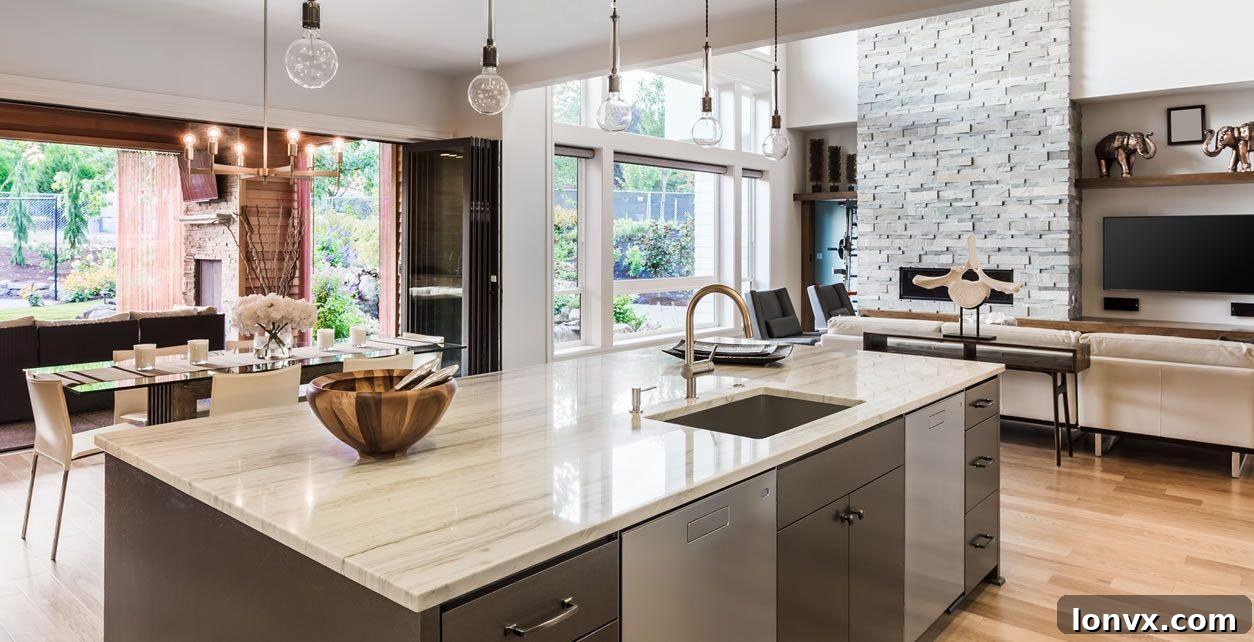
Maximizing Your Home’s Value: Debunking Common Home Staging Myths
Selling a home is a significant undertaking, and in today’s dynamic real estate market, maximizing your property’s appeal and value is more crucial than ever. While many sellers focus on pricing and marketing, a critical element often misunderstood or overlooked is professional home staging. Home staging is the art of preparing a private residence for sale in the real estate market. The goal of staging is to make a home appealing to the widest number of potential buyers, thereby selling it more quickly and for more money. Yet, despite its proven benefits, numerous myths and misconceptions persist, often leading sellers to miss out on substantial returns. This comprehensive guide aims to debunk these common myths, offering clarity and demonstrating why home staging is an indispensable investment for any savvy seller.
1. Debunking the Myth: “I Can’t Afford to Stage My Home!”
This is perhaps the most prevalent misconception among sellers, and it couldn’t be further from the truth. In the current real estate landscape, the question isn’t whether you can afford to stage, but rather, can you afford *not* to stage? Every seller shares the common goal of securing the highest possible price for their property. To neglect an opportunity that demonstrably maximizes your equity return is, frankly, short-sighted.
Consider the true cost of an un-staged home. A property that languishes on the market for an extended period incurs additional expenses that quickly outweigh the cost of staging. You’ll continue to pay mortgage installments, utility bills, property taxes, homeowner’s insurance, and ongoing maintenance costs. These “holding costs” can quickly accumulate, eroding your potential profit. Furthermore, according to research by organizations like the National Association of Realtors (NAR), the longer a property sits on the market, the lower its eventual sale price tends to be. Buyers often view long-listed homes with suspicion, assuming there must be an underlying issue, which can lead to lower offers or a complete lack of interest.
Modern buyers are increasingly seeking “move-in ready” properties. They are often busy professionals or families who prioritize convenience and are willing to pay a premium for a home that requires no immediate work. They don’t want to be greeted with a long list of deferred maintenance items or a space filled with a seller’s personal belongings and dated decor. Such imperfections can significantly compromise what a buyer is willing to pay, as they mentally tally up the time, effort, and money required to transform the space to their liking.
Many sellers hesitate due to initial staging costs, but there are numerous creative and accessible ways to finance this crucial investment. You might consider borrowing from a trusted friend or family member, securing a home equity line of credit (HELOC), or even utilizing a credit card for short-term financing (with careful consideration of interest rates). Some staging companies also offer flexible payment plans or “pay-at-closing” options, allowing you to defer the cost until your property successfully sells. Even selling unused items through online marketplaces or having a garage sale can generate the necessary funds. The world is full of financial solutions; you simply need to explore them. Investing in staging is a strategic move that positions your property to attract the best possible offers, ultimately putting more money in your pocket than if you had sold it “as-is.”
2. Beyond Decluttering and Cleaning: The Art and Science of Professional Home Staging
Another prevalent myth is that home staging is merely about decluttering and cleaning. While pre-packing personal belongings, decluttering living spaces, and ensuring a sparkling clean environment are undoubtedly fundamental steps, they are merely components of a much larger, more sophisticated strategy. Professional home staging is a specialized discipline that goes far beyond basic tidying; it is a meticulous process designed to transform a lived-in house into an aspirational product ready for market.
Fully preparing a property for sale involves a commitment to three vital, interconnected steps, each requiring a professional’s objective eye and expertise. The first step involves a comprehensive assessment where a professional stager meticulously identifies areas throughout the property that might adversely affect buyer perception and offers. This includes evaluating everything from furniture placement and traffic flow to lighting, paint colors, dated fixtures, and even the smallest decorative elements. The stager then provides strategic suggestions to maximize the property’s equity potential, pinpointing what needs to be removed, rearranged, or updated to appeal to the target buyer demographic.
Step two is the meticulous fulfillment of those recommendations. This often entails implementing minor repairs, fresh paint, depersonalization (removing family photos, excessive personal collections), and, crucially, making strategic furniture adjustments. Stagers often utilize existing furniture in a new way, or bring in rental pieces that are appropriately scaled and styled for the space, ensuring each room presents its best possible features. This stage is about creating a neutral, elegant canvas that allows potential buyers to envision their own lives unfolding within the home.
The third, and arguably most impactful, component is what professionals refer to as “showcasing.” Many people mistakenly equate this with interior decorating, but the two are distinctly different. Decorating is a personal expression, tailored to an individual’s taste and lifestyle. Showcasing, on the other hand, is entirely impersonal and scientific. It involves extensive research into the targeted buyer demographic for your specific neighborhood and property type. A stager understands what appeals to, for example, young families versus empty-nesters or luxury buyers. With this knowledge, they apply a strategic approach to furniture placement, accessory selection, and a subtle color strategy to highlight the home’s best features, create an illusion of space, and evoke a desired emotional response.
This process ensures fabulous, magazine-quality photos that capture immediate attention online, creates impactful open house experiences that leave lasting impressions, and guarantees memorable first impressions from the moment a potential buyer walks through the door. Why would sellers potentially risk thousands of dollars in equity by electing not to leverage this proven, professional approach when selling their most valuable asset?
3. Staging vs. Decorating: Understanding the Difference for a Successful Sale
It’s a common misconception that home staging is simply another form of interior decorating. While both disciplines involve arranging furniture and selecting aesthetic elements, their objectives and approaches are fundamentally different. Understanding this distinction is crucial for any seller serious about achieving the best possible outcome.
Decorating is, at its core, a deeply personal expression of how we live. It’s about creating a space that reflects your unique tastes, comforts, and lifestyle. Your choice of colors, furniture, artwork, and personal mementos are all designed to make your house feel like your home – a sanctuary tailored specifically for you and your family. Friends and family who compliment your decorating style are appreciating *your* personal space, which is wonderful for living, but not necessarily for selling.
The buyer of your property, however, isn’t interested in your personal expression. Their primary goal is to envision how *they* will live in the space. They want to project their own future, their own furniture, and their own family life onto the blank canvas that your home presents. When a home is overly personalized or styled to a specific taste, it becomes difficult for buyers to make that crucial emotional connection and see themselves living there. They might admire your decor, but they won’t feel at home, and that’s the feeling that drives offers.
Staging, by contrast, is a strategic marketing tool designed to appeal to the broadest possible range of potential buyers. There is nothing personal about it; it’s about depersonalization and neutralization. A professional stager meticulously curates a look that highlights the home’s architectural features, emphasizes spaciousness, maximizes natural light, and creates an aspirational lifestyle image that transcends individual preferences. This means often removing personal photographs, bold color choices, specific collectibles, and furniture that might not resonate with everyone.
The focus of staging is on creating an inviting, aspirational, yet universally appealing environment that allows buyers to easily visualize themselves moving in and making the space their own. It’s about selling the dream of a lifestyle, not the reality of your current one. Selling a house is not about the sellers, their tastes, or their decorating style; it is entirely about what the buyer wants and what we want the buyer to see in the property. It’s about presenting the bones of the house, its potential, and the desirable features they will inherit when you move out. Anyone suggesting that decorating for living and staging for selling are the same is simply misinformed and could be costing you significant equity.
4. Why Your Agent Might Be Wrong: The Indispensable Role of Staging in Any Market
It’s not uncommon for sellers to hear from their real estate agent, “You don’t need to stage your house; it will sell itself.” While your agent might genuinely believe this, or perhaps is telling you what they think you want to hear, it’s crucial for you, as the seller, to ask a more probing question: “At what price will it sell, and how quickly?” Relying on the assumption that a home will sell itself, especially without staging, is a gamble with your most significant asset.
Staging is not a new trend; it is a proven and sound marketing methodology employed successfully by savvy sellers and real estate professionals around the world. The real estate market has fundamentally changed, and staging has radically transformed the way properties are sold. To not embrace it in today’s competitive environment is to put your sale in jeopardy, regardless of market conditions.
During “hot markets,” you might hear a common refrain from sales representatives: “We don’t have any inventory, and the house will sell regardless of condition.” While it’s true that homes might sell faster in a seller’s market, this perspective overlooks a crucial point: maximizing your equity. Even in a booming market, a staged home will typically sell faster and for a higher price than an un-staged one. Why leave money on the table? If you are a savvy seller or investor aiming to realize the absolute most equity from the sale of your property, staging it before even contacting an agent is a strategic move that can significantly boost your return. Staging can create bidding wars and drive prices above asking, even when inventory is low, positioning your property as the most desirable option among limited choices.
Conversely, in slower or “softer” markets, professional home staging transitions from being a strong advantage to an absolute necessity. When buyers have more options and are more discerning, a staged home stands out from the competition. It generates crucial interest, attracts more potential buyers, and significantly reduces the time your property spends on the market. In a competitive scenario, if you choose not to stage your listing, but another seller with a similar property, competing for the same buyer, *does* stage theirs, it’s almost a certainty that the staged property will be perceived as the better value and will be selected for purchase. The difference in appeal and perceived value created by staging is often the deciding factor for buyers.
Statistics consistently show the immense value of professional staging. Many stagers report that a significant portion of their work comes directly from property owners who understand the direct impact staging has on their bottom line. Staging brings exceptional returns on your investment, often yielding an ROI significantly higher than its initial cost. It’s an investment in your financial future, ensuring your property doesn’t just sell, but sells at its optimal price and within an efficient timeframe.
Conclusion: Invest in Staging, Maximize Your Sale
The decision to sell your home is a major financial and emotional undertaking. By debunking these common myths, it becomes clear that professional home staging is not an optional luxury but a strategic, essential investment that directly impacts your success. From ensuring you maximize your equity and avoid costly market delays, to strategically appealing to the widest buyer pool and transforming your property into a highly desirable product, staging offers unparalleled advantages.
Don’t fall victim to outdated beliefs or well-meaning but misinformed advice. Empower yourself with the knowledge that a relatively small investment in professional staging can yield substantial returns, dramatically increase your chances of a faster sale, and ensure you achieve the highest possible price for your home. In today’s competitive real estate market, professional home staging is the smart choice for every seller aiming for a truly successful and profitable sale.