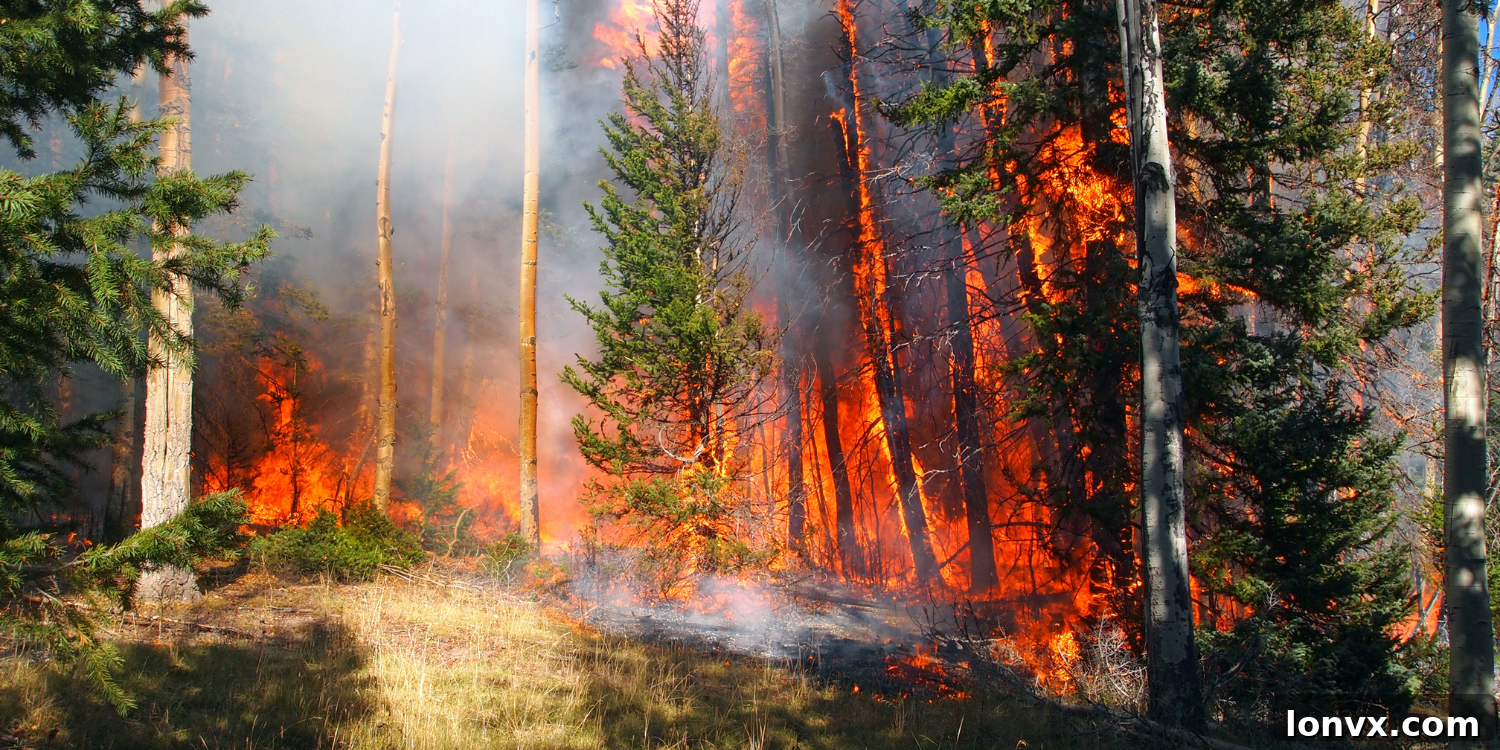
In recent years, the escalating threat of wildfires has transitioned from a localized concern to a pervasive national challenge, profoundly impacting communities, ecosystems, and economies across Canada. My attendance at the Wildfire Resiliency and Training Summit in Prince George, British Columbia, offered invaluable insights into the dedicated individuals safeguarding our communities and the substantial obstacles faced in protecting homes situated in high-risk zones. The consensus among academic, governmental, and media reports is stark: 2024 is projected to be an unprecedented year for wildfire-related community impacts.
The ramifications of these catastrophic events extend far beyond immediate property destruction. They encompass the widespread displacement of residents, immense government expenditures for emergency response and recovery, and a significant deterioration in the quality of life for affected populations. Crucially, the cumulative effects are beginning to strain housing availability in all marketplaces touched by wildfire activity, creating ripple effects that resonate throughout the real estate sector and the broader economy.
Homeowner Investment in Risk Reduction: A Growing Imperative for Wildfire Protection
Until recently, regions like Nova Scotia were not typically classified as areas of considerable wildfire risk. However, the devastating and widespread wildfire losses experienced there in 2023 were a shocking revelation, mirroring the intensity of the Fort McMurray disaster in 2017. These events serve as a potent reminder that no region is truly immune to the increasing frequency and severity of wildfires.
Consequently, the landscape of wildfire risk management in Canada has undergone a significant transformation. What was once predominantly perceived as the sole responsibility of governments has evolved into a shared societal duty. As the threat of wildfires intensifies, the role of homeowner investment in proactive risk reduction measures becomes paramount. This shift underscores the critical importance of the guidance and advice real estate professionals provide to their clients.
Empowering homeowners with the knowledge and tools to mitigate wildfire risks on their properties is no longer an optional add-on; it is an essential component of community resilience. Realtors are uniquely positioned to facilitate this empowerment, guiding clients through the complexities of risk assessment and the implementation of protective strategies. Their expertise can significantly influence a homeowner’s ability to safeguard their investment and contribute to the overall safety of their community.
Profound Impacts on Real Estate Business Practices
For the real estate community, the burgeoning wildfire crisis has introduced several tangible and far-reaching impacts on standard business conduct. These challenges necessitate a proactive and informed approach from all professionals within the industry.
Insurability Precedes Lending: A Critical Consideration
One of the most immediate and significant impacts revolves around the fundamental principle that insurability precedes lending. In essence, securing a mortgage is almost universally contingent upon obtaining adequate property insurance. This conventional process faces severe disruption when an active wildfire is present within a certain proximity (typically a 100 km radius) of a property.
During such events, finding an insurer willing to issue new policies can become exceedingly difficult, if not impossible. Insurance companies often implement moratoriums on new policies in areas directly threatened by active wildfires, deeming the risk unacceptably high. This situation creates a precarious scenario for transactions, particularly for buyers reliant on mortgage financing. If you have a looming closing date and an active wildfire jeopardizes a property’s insurability, the entire deal, and your client’s financial future, could be in serious jeopardy. This highlights the urgent need for realtors to be acutely aware of regional wildfire conditions and to advise clients accordingly.
Broader Market Dynamics and Due Diligence
Beyond individual transactions, persistent wildfire risk can influence broader market dynamics. Properties in known high-risk areas may experience shifts in valuation, buyer demand, and even the availability of certain types of financing. Real estate professionals must enhance their due diligence, educating themselves and their clients about local fire hazards, historical fire data, and community-level mitigation efforts. This proactive approach helps manage expectations and informs sound investment decisions.
Legal and Ethical Responsibilities of Real Estate Professionals
The evolving nature of wildfire risk also expands the legal and ethical responsibilities of real estate licensees. Clients rely on their agents for expert advice and protection throughout the buying and selling process. Failing to adequately inform clients about wildfire risks, potential insurance challenges, or available mitigation strategies could expose professionals to liability and damage their professional reputation. This underscores the need for continuous professional development and a commitment to client advocacy in the face of environmental challenges.
Protecting Your Clients with a Wildfire Clause in the Agreement of Purchase and Sale (APS)
Recognizing the growing complexities and risks, regulatory bodies like the British Columbia Financial Services Authority (BCFSA) have taken proactive steps to equip realtors with essential tools to protect their clients. A critical recommendation for properties in proximity to potential wildfire areas is the inclusion of a specific wildfire clause in the Agreement of Purchase and Sale (APS) during offer drafting and signbacks.
In a discussion with Emily Shaw, A/Director of Policy at the BCFSA, she emphasized the vital role of licensees as experts. “Licensees are experts, and part of (sharing) that expertise is to talk to clients, colleagues, and insurers about these issues,” Shaw stated. She specifically highlighted the responsibility of buyer agents to initiate conversations with their clients regarding the wildfire clause for transactions in wildfire-at-risk areas. “This conversation can lead to additional conversations that are important. Wildfires are a reality in our marketplace.”
These clauses are designed to provide a layer of protection, offering a mechanism for buyers to navigate unforeseen challenges related to obtaining insurance due to active wildfires. Their judicious use can safeguard both buyers and sellers from potential financial losses and the emotional distress of collapsed deals.
Recommended Wildfire Clause from BCFSA
The BCFSA recommends the following specific wording for a wildfire clause, designed to provide flexibility and protection in the event of insurance unavailability:
If, as a result of a wildfire and despite the Buyer’s best efforts, the Buyer is unable to obtain fire insurance on the Property that is binding and effective as of the original Completion Date, on terms and at rates that are commercially reasonable, then the Buyer may, at their sole discretion, extend each of the Completion Date, the Adjustment Date, and the Possession Date to a date that is the first day, other than a Saturday, Sunday or statutory holiday in British Columbia (“Business Day”) that is [30] calendar days after the original respective dates by providing written notice (the “Extension Notice”) to the Seller or the Seller’s agent at least [5] Business Days before the original Completion Date.
If during the period between the delivery of the Extension Notice and [5] Business Days before the extended Completion Date the Buyer obtains fire insurance on the Property that would allow the Buyer to complete the purchase and sale of the Property before the extended Completion Date, the Buyer will immediately provide written notice of same to the Seller or the Seller’s agent (the “Insurance Notice”) and the Seller may, by providing written notice to the Buyer or the Buyer’s agent within [2] Business Days after the Insurance Notice is provided, elect to accelerate the Completion Date to a date that is [5] Business Days after the Insurance Notice is provided, and the Adjustment Date and the Possession Date will be adjusted so that they will occur with the same relativity to the new extended Completion Date as they had to the original Completion Date.
The parties agree that time will remain of the essence.
Shaw further advises that a licensee should recommend their client obtain independent legal advice regarding how triggering this specific clause may affect any related transactions that are closing on their original completion dates. She also recommends that licensees consider using this clause in conjunction with the established Fire/Property Insurance condition precedent, ensuring a comprehensive protective framework for their clients.
Understanding and implementing this clause is a critical skill for real estate professionals operating in, or near, wildfire-prone regions. It demonstrates due diligence and a commitment to protecting client interests in an increasingly volatile environmental landscape.
Beyond the Clause: Comprehensive Strategies to Safeguard Your Clients
While the wildfire clause provides a crucial contractual safeguard, real estate professionals must adopt a holistic approach to client protection, encompassing advice and resources that extend beyond transactional agreements. proactive communication and informed guidance are paramount.
Early Engagement with Insurers and Legal Counsel
“Licensees who are in areas affected by wildfire should advise clients to have conversations with their insurer and to acquire a binding insurance commitment as soon as possible,” emphasizes Emily Shaw. This proactive step can preempt many of the challenges associated with obtaining insurance during or immediately after a wildfire event. Moreover, she adds, “If a home in transaction is damaged by wildfire, it’s important for licensees to advise their clients to seek legal advice at the earliest opportunity. These are very complex issues that are beyond the expertise of licensees to handle.” Realtors, while experts in real estate, are not legal or insurance experts, and knowing when to refer clients to specialized professionals is a mark of true professionalism.
Promoting FireSmart Practices: Building Resilient Communities
Perhaps the most impactful long-term strategy involves encouraging widespread adoption of FireSmart recommendations for property risk reduction. Shaw insists that the most important action is to foster active dialogue within the community. “It’s important for registrants and homeowners to be informed. FireSmart BC has some excellent resources that licensees can share with clients,” she notes.
FireSmart Canada and its provincial counterparts offer a wealth of information and practical advice on creating defensible spaces around homes, managing combustible materials, and making structural choices that enhance fire resistance. By sharing these resources—including informative videos and other engaging content—real estate practitioners can play a pivotal role in educating homeowners. This not only helps clients keep their families safe and their assets protected but also contributes to the overall resilience of entire communities, reducing the likelihood and severity of future wildfire impacts.
Encouraging fire-smart practices represents a significant, proactive opportunity for practitioners to help clients mitigate risk before a wildfire even threatens. This involves advising on landscaping choices, maintenance routines, and even home material selections that can make a substantial difference in a property’s survivability during a wildfire event.
The Evolving Landscape: Adapting to a New Reality
As an active back-country canoeist, I have personally observed the profound and concerning changes occurring within our forests. Everywhere in Canada, the ecosystems are visibly evolving. Seasonally, I witness firsthand the impacts on the natural environment; coastal rainforests are undergoing reclassification by geologists, and the ferns in Ontario’s forests are becoming brittle and crispy due with drought conditions in July. These ecological shifts are not isolated incidents but indicators of a broader climate trend that will continue to reshape our environment and, by extension, the real estate market.
As our ecosystems evolve under the increasing pressure of climate change, so too must the advice we provide to our clients. Wildfires are no longer an anomaly; they are an enduring reality that will continue to impact the business of real estate across all regions of Canada. This evolving threat necessitates a deeper understanding and integration into standard real estate practices.
Cultivating knowledge in wildfire risk management is becoming an important category for professional reputation and a relevant topic for errors and omissions discussions. Realtors who are well-versed in these issues can exert a very positive influence, guiding clients through complex decisions and helping them build resilience. This expertise not only protects clients but also enhances the professional standing and trustworthiness of real estate practitioners.
It is my strong suggestion that real estate professionals explore these critical conversations within their in-office mastermind discussions. Developing a cohesive strategy that is tailored to your specific marketplace and business model is crucial for navigating these challenges effectively. By proactively addressing wildfire risk, the real estate industry can contribute significantly to building safer, more resilient communities and ensure the long-term protection of property and livelihood across Canada.
Enjoying this article?
Get the latest REM articles in your inbox 3x week so you stay up to date on the latest in the Canadian real estate industry