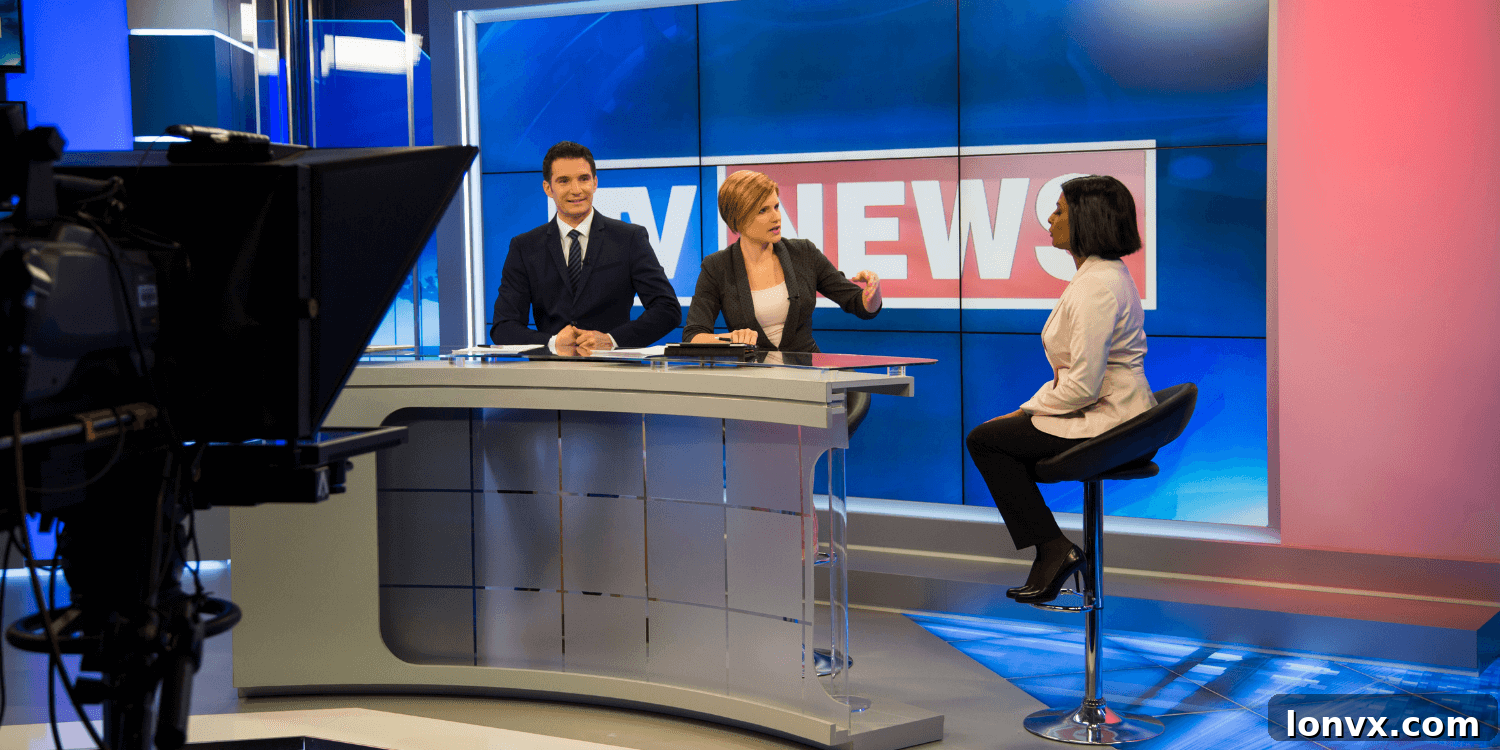
The real estate industry is a constant fixture in the news cycle, its prominence often fueled by dynamic current events and evolving market trends. However, the nature of its coverage today presents a stark contrast to what it was just a year ago, reflecting significant shifts in economic landscapes and consumer sentiment.
Before diving into the core of this article, it’s important to clarify its scope. This discussion will not delve into the mechanics or biases of how news media covers the real estate sector – that’s a topic for another day. Instead, our focus will be squarely on empowering real estate professionals to proactively secure valuable media exposure and leverage it for their strategic advantage.
The Undeniable Benefits of Media Coverage for Real Estate Professionals
From a professional standpoint, strategic media coverage stands as an invaluable asset for real estate agents, brokers, and teams. It serves as a powerful catalyst for elevating one’s personal brand, enhancing the reputation of their teams, brokerages, and ultimately, their entire company. In a highly competitive market, distinguishing yourself is paramount, and media visibility offers a unique pathway to achieving this.
The advantages of having your voice featured in a news story are manifold, with the most immediate and impactful being significantly increased visibility. Consider the countless hours you dedicate to traditional networking, cold-calling, and door-knocking. While these methods have their place, a single media appearance can multiply your reach exponentially. Imagine having your name, insights, and sometimes even your face, presented to tens of thousands – or even hundreds of thousands – of potential clients.
Beyond sheer numbers, media exposure dramatically boosts your credibility and establishes you as an expert within your community. When individuals see you quoted or interviewed by a reputable news source, they are far more likely to trust your opinions and view you as a reliable authority in the real estate field. This third-party endorsement is incredibly powerful, bypassing the skepticism often associated with direct advertising or self-promotion.
Furthermore, this enhanced visibility and credibility lead to stronger brand recall. When consumers eventually embark on their journey to buy or sell property, your name is more likely to spring to mind. They may proactively reach out with questions, seeking your expert guidance on market conditions, property valuations, or investment strategies. These inquiries are not merely casual contacts; they often represent high-quality leads from individuals who have already pre-qualified you based on your media presence, significantly streamlining your sales funnel and improving conversion rates. Media coverage, therefore, isn’t just about fleeting fame; it’s a strategic investment in long-term brand building and sustainable business growth.
Demystifying Media Outreach: A Journalist’s Perspective on Getting Featured
Having spent over a decade immersed in the fast-paced world of newsrooms, I’ve had a privileged, front-row seat to the intricate processes of sourcing stories, booking guests, and crafting narratives that captivate audiences. This unique vantage point has allowed me to glean insights into the strategies that truly resonate with journalists and producers – insights that can be invaluable for real estate professionals aspiring to secure consistent media coverage.
Understanding the inner workings of the media industry is the first step toward effectively positioning yourself as a go-to expert. It’s about recognizing what journalists need, how they operate, and how you can seamlessly integrate into their workflow to provide compelling, relevant content.
Identify and Cultivate Relationships with the Right Journalists
The cornerstone of successful media outreach begins with precise targeting. News organizations, whether local or national, often assign specific reporters to cover beats such as real estate, consumer trends, economics, or local community news. Your initial task is to identify these dedicated journalists. Their contact information can typically be found on the news organization’s website, usually in the “About Us” or “Contact” sections, or directly on the journalist’s professional social media accounts, particularly LinkedIn and X (formerly Twitter).
Once you’ve identified potential contacts, it’s crucial to invest time in understanding their work. Pay close attention to the types of stories they cover, their preferred angles, and the themes they frequently explore. This research allows you to identify genuine opportunities for relevant contributions. For instance, if a reporter frequently writes about housing affordability, you might offer additional data or localized insights that strengthen their narrative. Or, if you spot a gap in their coverage, you could propose a follow-up piece from a unique angle they haven’t yet considered.
Crucially, consider the scope and geographic relevance of the story you wish to contribute to. Is your expertise relevant to a national audience, perhaps regarding broad economic trends affecting the entire country? Or is your insight highly specific to a particular city, neighborhood, or demographic, like a niche market in Winnipeg? If it’s the latter, your efforts will yield far greater success if directed toward local news outlets, where your specialized knowledge holds more immediate value and impact.
It’s also important to remember the hierarchical structure within newsrooms. While journalists enjoy a degree of autonomy, final editorial decisions often rest with the assignment desk or news editor. In the dynamic world of live television, it’s typically a producer or chase producer who is responsible for booking guests and managing segments. Building rapport and strong, professional relationships with these key decision-makers can be instrumental in successfully pitching yourself and your innovative ideas, transforming you from an unknown entity into a trusted, reliable source.
Craft a Compelling Pitch that Resonates
A well-crafted pitch is your gateway to media exposure. It must efficiently communicate your story idea or highlight your unique expertise as a commentator on a current news item, all while respecting the journalist’s limited time. Brevity, clarity, and relevance are paramount.
Email is almost universally the preferred method of contact for newsrooms. It allows you to convey your ideas succinctly, attach any necessary supporting documents, and avoid adding to the already heavy workload of journalists who are constantly juggling deadlines and phone calls. A concise, impactful email stands a far better chance of being read and acted upon than an unsolicited phone call.
To significantly maximize your chances of success, strategic timing is essential. Anticipate the timing of key economic events, such as the release of regional or national market data, interest rate announcements, or significant policy changes. Reach out to producers or reporters well in advance of these events. For example, if you know regional market data will be released at 5 a.m. next Friday, consider contacting local morning show producers several days prior. They often book guests a week or more in advance and will greatly appreciate your proactive approach and foresight in offering timely, relevant commentary.
Original content and unique perspectives are highly valued in the competitive media landscape. If you possess distinctive insights, fresh observations, or proprietary data about trends in your specific area or niche, be sure to highlight these prominently in your pitch. What makes your perspective different? What can you offer that other real estate professionals cannot? This uniqueness is often what captures a journalist’s attention.
If you’ve successfully built a relationship with a particular journalist or newsroom, consider offering them an exclusive on your story – giving them the “right of first refusal.” This gesture can further solidify your relationship and demonstrate your loyalty as a source. If they do decide to pick up the story, it’s not uncommon for other news outlets to follow suit once it goes live, creating a ripple effect of media coverage.
Finally, always follow up your initial pitch with a single, polite email if you don’t receive an immediate response. Journalists are busy, and sometimes emails get lost. However, if you still don’t hear back after a follow-up, it’s generally best to move on and explore other opportunities or refine your pitch for a different angle. Remember, numerous online resources offer excellent advice on writing compelling media pitches; consulting them before drafting yours can significantly improve your success rate.
Leverage Social Media to Amplify Your Brand and Connect
In today’s digital age, social media platforms, particularly X (Twitter) and LinkedIn, are not just for casual networking; they are powerful tools for building professional credibility, showcasing expertise, and connecting directly with journalists. You can strategically position yourself as an invaluable source of information by consistently providing a unique perspective, sharing insightful analysis, and engaging thoughtfully with others in the real estate industry and the media.
The key to effective social media engagement is to focus intensely on what you know best. For instance, if data analysis and market trends are your strong suit, regularly share your interpretations of market reports, housing statistics, and economic indicators. Consistently providing valuable, data-driven content will not only help you grow an engaged audience of potential clients but also establish you as a trusted and authoritative source of information for journalists seeking expert commentary.
Beyond simply broadcasting your own insights, engage constructively with journalists on these platforms. Share their articles, offer thoughtful comments on their posts, or retweet their work with an added insightful observation. When journalists are seeking real estate experts for a story, they often turn to the individuals they have consistently interacted with and whose expertise they recognize through social media engagement. Your active presence builds familiarity and trust.
Social media also serves as an excellent platform for identifying emerging opportunities for media coverage. By diligently following key journalists, media outlets, and relevant industry hashtags, real estate professionals can scope out breaking news, anticipate upcoming stories, and even spot direct “call-outs” from journalists actively seeking sources or commentators for specific stories. Being among the first to respond to such a call-out with relevant, concise expertise can be a direct route to being featured.
Be Responsive, Professional, and Prepared
Journalists operate under extremely tight deadlines, a reality that dictates much of their workflow. It’s common for reporters to receive assignments in the morning and be expected to have their stories ready for broadcast or publication by late afternoon. This rapid pace means that flexibility and responsiveness are critical qualities in a media source.
It is paramount to be accommodating to their demanding schedules. This might mean making yourself available for an interview at a moment’s notice, or offering alternative options for communication such as a quick Skype or Zoom call. If your interview is conducted via video chat, always ensure you have a strong, stable internet connection and take a moment to ask the journalist or producer to check your framing and audio quality. Don’t hesitate to ask if there’s anything you can do to improve your setup, demonstrating your professionalism and commitment to a smooth interview.
Be mindful of the medium for which the interview is intended and adjust your approach accordingly. For instance, print journalism typically allows for more detailed, nuanced answers delivered over a phone interview. In contrast, a live television appearance demands concise, impactful soundbites and strong visual presence.
Before any scheduled interview, take the initiative to clarify the story’s precise focus and, if possible, request the questions in advance. While journalists may not always be able or willing to provide them ahead of time, it is always worth asking. This preparation allows you to formulate your key messages and ensure your responses are focused and impactful.
During the interview itself, keep the following crucial points in mind:
- Support Strong Opinions with Facts: While strong opinions can make for memorable and impactful quotes, ensure that any bold statements you make are solidly supported by verifiable data, current market statistics, or concrete facts. This substantiation enhances your credibility and the journalist’s ability to use your insights.
- Be Detailed and Informative: When answering questions, strive to be as detailed and informative as possible without rambling. Provide context, examples, and relevant background information. The more substance you offer, the more material the journalist has to work with when pulling compelling clips and quotes for their story.
- Be Concise, Especially Under Time Constraints: Avoid rambling, particularly if time is limited, such as during a live television segment. If the host informs you that you only have 30 seconds remaining, get straight to your most critical point immediately. Practice delivering your core message succinctly.
Securing consistent media coverage can be an invaluable asset for real estate agents looking to elevate their professional standing and grow their business. While hiring a dedicated PR company or a publicist can be highly effective, it often comes with a significant financial investment.
If building a strong media presence is an aspiration for you, consider adopting the advice outlined above. Remember to always focus on your genuine strengths, articulate your unique expertise clearly, and above all, always be your authentic self. It will undoubtedly require a sustained commitment of time, effort, and strategic thinking, but the long-term rewards – in terms of brand recognition, increased credibility, and ultimately, business growth – can be truly substantial and transformative.
Do you have any personal advice, strategies, or experiences with securing media coverage that you’d like to share? Please leave your insights in the comments below!