Unlock the Hidden Potential: Delicious Beet Greens Recipes to Reduce Food Waste
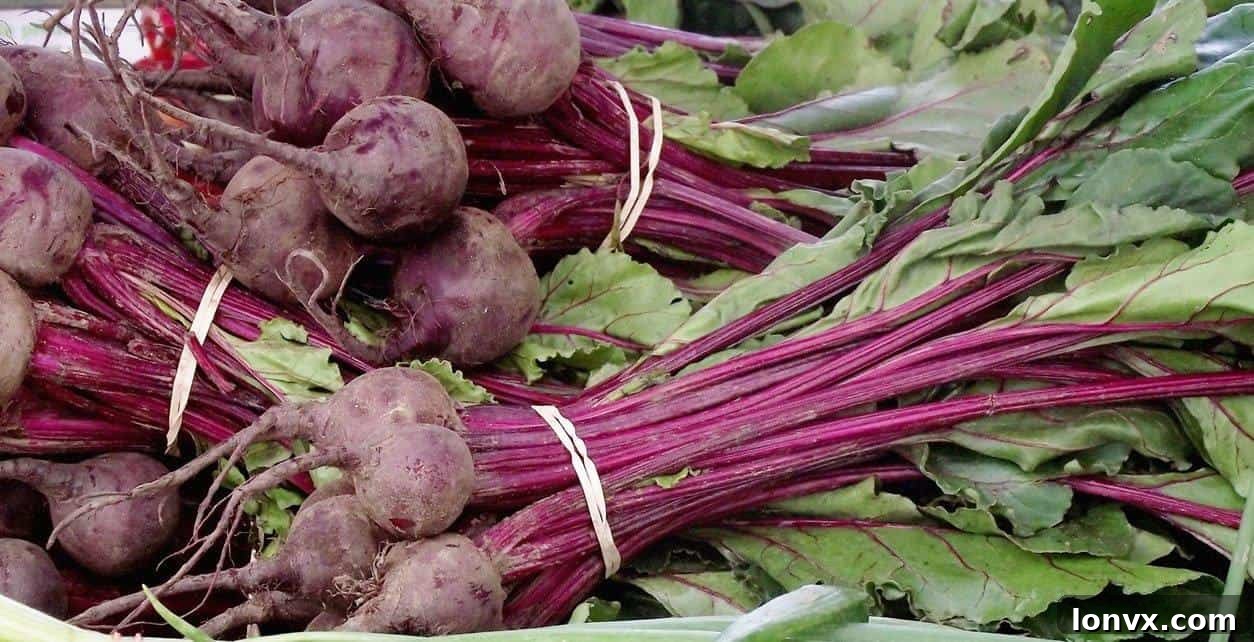
It’s a startling fact that a staggering 99 percent of vibrant beet tops, commonly known as beet greens, are discarded annually. These nutritious greens rarely make it to store shelves, even in fresh garden produce shops. All too often, cashiers offer to remove them, asking, “Do you want the greens removed, tossed in the trash?” This practice represents a significant culinary oversight and an unnecessary waste of a highly nutritious and versatile vegetable.
Beet greens are not merely a byproduct; they are a superfood packed with vitamins A, C, and K, as well as essential minerals like iron, potassium, and magnesium. They also boast a rich supply of antioxidants and fiber, making them an excellent addition to any diet. By learning to incorporate them into your meals, you not only elevate your cooking but also contribute to reducing food waste and embracing more sustainable kitchen practices.
Preparing Your Fresh Beet Greens: A Step-by-Step Guide
The journey to enjoying delicious beet greens begins at the market. Seek out fresh beets that still have their lush, green tops attached. Once home, carefully separate the greens from the beetroots. Trim the greens, leaving approximately two inches of the ruby-red stalks connected to the leaves. These stalks, which bear a resemblance to slender rhubarb, are a valuable part of the greens and will be cooked alongside them. Store the beetroots in your refrigerator for future use.
Thorough washing is crucial, as beet greens can often harbor soil or sand. Submerge the greens in a large basin of cold water and swish them around vigorously. Repeat this process several times, changing the water until it remains perfectly clear. Next, snip off the small, red ends of the greens. These tougher parts are best cooked separately. For particularly large leaves with rigid central stems, it’s advisable to remove these tough veins to ensure a more tender texture in your final dish.
To begin the cooking process, gently sauté the trimmed red stalks in a pan with a generous knob of warm butter and a pinch of salt. You may add a tablespoon or two of liquid, such as water or chicken broth, to aid in softening. These stalks are quite fibrous and require patience; cover the pan and allow them to simmer on the lowest heat setting until they are fork-tender and easily mashable. This slow cooking method ensures they become delightfully soft, contrasting beautifully with the more delicate leaves.
Once the stalks have achieved the desired tenderness, it’s time to incorporate the thoroughly rinsed beet green leaves. Add them to the sautéed stems, cover the pan, and allow them to cook in their own moisture. Unlike delicate spinach, beet greens take longer to wilt and soften, but they will eventually collapse dramatically into the pot. A surprisingly large bunch of raw beet greens will reduce to a manageable, nutrient-dense cup of finished greens, proving their impressive density.
When the greens are fully cooked, they will appear deep green and tender. To ensure they are not watery, drain them thoroughly using a large sieve placed over a pot. Gently press the greens against the sieve with the back of a spoon to extract as much liquid as possible. For an even drier result, you might consider gathering the cooked greens in a clean, fresh white cheesecloth and squeezing out any remaining excess moisture. This step is key for achieving the best texture and flavor in subsequent preparations.
Transfer the drained greens to a cutting board. Using a sharp, large-bladed chopping knife, crosscut chop the cooked greens, turning them at various angles until they achieve a consistency similar to finely chopped, cooked spinach. This prepares them for easy integration into various dishes and ensures a pleasant mouthfeel.
Simultaneously, prepare your aromatic base. Finely mince a small white onion. Crush a small clove of fresh garlic and combine it with a squeeze of fresh lemon juice and a pinch of salt. Gently sauté both the onion and the garlic mixture in real butter until fragrant and softened. Remove from the heat and sprinkle with a tiny pinch of salt.
In a clean sauté pan, warm a tablespoon of butter. Stir in a teaspoon of granulated sugar and a tiny pinch of nutmeg. Add the chopped beet greens to the warm butter mixture, stirring to coat evenly. Finally, fold in the sautéed garlic and onion mix. At this point, your perfectly seasoned beet greens are ready to be enjoyed immediately or saved for later culinary creations. Their versatility is truly remarkable.
Creative Ways to Enjoy Your Cooked Beet Greens
The beauty of cooked beet greens lies in their adaptability. Whether you savor them as a simple side dish or transform them into a gourmet component, the possibilities are endless:
- Side Dish Extraordinaire: Serve the greens as a delicious standalone vegetable dish. A spritz of Marsala wine or a drizzle of Asbach Uralt brandy, or any preferred bitter spirit, can elevate their flavor profile. Experiment with different essences to find your favorite pairing.
- Elegant Crepe or Pasta Filling: Stir the greens into scalded cream, perhaps in a bagna cauda style, creating a rich and savory mixture perfect for stuffing crepes or serving as a unique sauce for pasta.
- Savory Baked Delights: Line a buttered ramekin with parchment paper, add the cooked greens, and top with whisked eggs and cream for a magnificent baked treat, gently cooked using a bain marie.
- Gourmet Napoleon: Layer mashed potatoes, cooked ground beef, and the savory beet greens to create an impressive Napoleon. Crown it with a round of frozen butter puff pastry and bake until golden. Serve hot, drizzled with rhubarb confit over a dollop of creamy goat cheese, or opt for a dollop of Wildly Delicious Canadian Red Onion and Beets Marmalade for an extra layer of flavor.
This beet greens dish, while requiring a bit of effort, offers a rewarding culinary experience. It pairs wonderfully with whipped mashed potatoes and tender braised brisket, much like traditional kale in an old Dutch recipe. The natural juices of the brisket, enhanced with a touch of ordinary white vinegar or white balsamic, perfectly complement the earthy greens. If you appreciate spinach, you’re likely to adore beet tops prepared in a similar fashion. It’s an excellent opportunity to discover this special ingredient, often overlooked, yet packed with nutrients that can enrich your diet.
Savoury Beet Greens Crostata: A Rustic Masterpiece
Take your beet greens to the next level by creating a savory crostata. Prepare your favorite pastry dough for a rustic, open-faced tart. To absorb any excess moisture from the filling, sprinkle the pastry base with fresh, coarse, homemade breadcrumbs, similar to what you’d use for a strudel. Instead of a fruit filling, generously fill the open pastry with your cooked beet greens. Arrange “seared” slices of firm, fresh white button mushrooms, crispy prosciutto, and a little sweated herbed onion over the greens. Alternatively, dot the filling with cognac-marinated baby pearl onions for an extra touch of sophistication.
Gently pull the sides of the pastry towards the center, creating a beautiful border while leaving the center exposed to showcase the vibrant filling. Brush the pastry edges with melted butter and bake in a high-heat oven (400°F/200°C) for approximately 20 minutes, or until the pastry is golden brown and the filling is heated through. Serve these crostata pizza-style wedges as a truly terrific vegetable side dish. They also pair wonderfully with barely cooked scrambled eggs, topped with slices of thawed smoked Norwegian salmon, for a luxurious brunch or light meal.
Individual Roasted Beet Tatin with Beet Greens Recipe
This elegant individual tatin transforms humble beets and their greens into a show-stopping dish. Begin by heating a knob of butter in a hot skillet, then reduce the heat and add finely chopped shallots. Sauté until the shallots are exquisitely fork-tender. Stir in about a quarter cup of sugar and a splash of white balsamic vinegar, watching as the ingredients interact to create a rich caramel sauce. Continue stirring constantly until the sugar congeals into a glossy, amber mixture.
Carefully layer thin slices of roasted fresh beets into this luscious caramelized sauce, allowing them to rest briefly to absorb the flavors. Prepare your muffin tin by buttering each well generously. Place a small spoonful of the caramel sauce at the bottom of each well, followed by a few layered sauced beet slices. For an added layer of complexity, incorporate some chopped, macerated black mission figs from your brandy-infused Asbach Uralt jar, drizzling a tiny bit of the congealed figgy jus from the marinating jar over the top.
Next, place a generous tablespoon of your prepared beet greens (which you can keep frozen in individual ice cube trays or a container for convenience) into each muffin tin, atop the beet slices. Crown each tatin with a round of frozen puff pastry, making sure to dock it (prick with a fork) to allow it to puff beautifully during baking. Keep the puff pastry very cold until you’re ready to bake. Just before placing the pan in the oven, lightly brush the pastry toppers with a little cream for a golden finish.
Bake in a preheated oven at a high heat of 400°F (200°C) until the pastry is puffed and golden brown, which typically takes only eight to ten minutes. Once baked, carefully tip the muffin tin to release the individual tatins; the pastry will now be on the bottom, presenting a beautiful caramelized topping. For an alternative presentation, these can also be baked in individual buttered ramekins in a water bath.
Serve these exquisite tatins on a mound of fresh mixed greens, topped with creamy Canadian goat cheese pucks – especially delightful if you have marinated goat cheese. Beets have a natural affinity for blue cheese, so feel free to crumble some over the top if you prefer. For a slight variation, just before topping with puff pastry, add a couple of teaspoons of whisked eggs to each tatin for a different texture and appearance. Let’s truly “beet up” the menu with this stunning creation!
Chicken Breast Pockets with Red Onion and Beet Marmalade
This recipe offers a delightful blend of savory chicken with the sweet and earthy notes of beet marmalade. Begin by marinating large, boneless, skinless chicken breasts for about 10 minutes in a little Mazola Corn Oil. Season them generously with your favorite herbs and spices. A classic combination includes dried fresh thyme, a hint of dried fresh mint, a touch of nutmeg, salt, pepper, and a pinch of garlic salt. While I typically avoid salt during marination, this recipe moves quickly, so a light seasoning is fine.
Using a sharp boning knife, carefully slit a deep pocket into the side of each chicken breast. Fill each pocket with a generous tablespoon of Wildly Delicious Red Onion and Beet Marmalade. For an extra layer of flavor, add a quarter teaspoon of Dijon mustard – Petite Maison White Truffle Dijon works wonderfully here, adding a subtle gourmet touch.
Heat a skillet with sizzling unsalted butter over medium-high heat. Sear the chicken breasts for four minutes on the first side. Set a timer to ensure even cooking. Reduce the heat, cover the pan at a slight tilt, or tent with foil, and continue to sauté the other side for another three to four minutes, depending on the thickness of the breasts. Check for doneness; the juices should run clear. Be careful not to overcook, as this will dry out the chicken. Adjust the heat as needed to achieve a beautiful golden surface without forming a crust.
While the chicken is cooking, in a separate skillet, warm butter until it sizzles. Add a cup of fresh, tiny, whole baby organic white button mushrooms and sear them quickly in the hot butter, turning them just once. The goal is perfectly seared, not mushy, mushrooms. Sprinkle them with dried fresh thyme, a pinch of nutmeg, and pepper. Hold off on salting until just before transferring the mushrooms to a warm platter alongside the cooked chicken. Deglaze the mushroom skillet with a splash of cream and add this flavorful liquid to the chicken skillet just before serving, enriching the sauce.
Immediately remove the cooked chicken breasts from the skillet once the juices run clear and place them on a warming platter. Tent them loosely with foil to rest, allowing the juices to redistribute for maximum tenderness. To the hot skillet, add about a cup of half-and-half cream and let it scald, reducing slightly to thicken. Season with pepper, a little salt, a pinch of nutmeg, a dash of fresh lemon juice, a pinch of granulated sugar, a generous tablespoon of bottled LiteHouse brand freeze-dried parsley (or fresh parsley if available), and a quarter teaspoon of White Truffle Dijon. Stir constantly as the sauce thickens. Turn off the heat and stir in a couple of generous tablespoons of the Red Onion and Beet Marmalade. Stir gently to incorporate. Keep the sauce warm over very low heat; it will continue to thicken slightly.
To serve, create a generous puddle of this exquisite sauce on a large white or black plate. The golden-white chicken will contrast beautifully with the rich, deep color of the beet sauce. This sauce is not only delicious but also packed with the goodness of beets. Gently position the stuffed chicken breasts on the sauce puddle. If necessary, keep the plates warm in a low-heat, preheated oven.
Accompany this magnificent dish with a side plate of creamy whipped mashed potatoes and slices of roasted fresh garden beets, lightly spritzed with Black Maple Magic Balsamic Vinegar. For an extra touch of beet goodness, you can even add a tablespoon of the cooked beet greens to the chicken breast pocket alongside the marmalade before sautéing.
Alternate Serving Idea: For a heartier presentation, toast six baguette slices (or more), or three full-size slices of black-olive bread per person. Butter the toasts generously and smear them with homemade oven-roasted garlic puree. Arrange these toasts on hot individual oval or rectangular platters, then position thick slices of the stuffed chicken breasts on top. Pour the thick, special sauce and the whole seared mushrooms generously over everything. The bread will beautifully soak up the rich flavors of the sauce, making for a truly satisfying experience.
For an ultimate “beet” celebration meal fit for a king, consider adding a fresh Boston Bibb lettuce salad with warm blue cheese dressing, served alongside Kuhne brand whole baby beets. This creates a symphony of flavors and textures, highlighting the versatility and deliciousness of beets in all their forms.
© From Lady Ralston’s Kitchen: A Canadian Contessa Cooks – Turning everyday meal making into a Gourmet Experience