The Ultimate Guide to Perfect Yorkshire Puddings: An Easy 2-3-4 Recipe
Few dishes evoke the warmth and tradition of British culinary heritage quite like the humble Yorkshire Pudding. Often described as the crowning glory of a Sunday roast, these savory, puffed delights are a testament to simple ingredients transformed into something truly spectacular. Forget store-bought imitations; making your own perfect Yorkshire Puddings at home is not only achievable but incredibly rewarding. Our easy-to-remember “2-3-4” recipe simplifies the process, guaranteeing consistently crispy exteriors and wonderfully airy interiors every single time.
This guide will walk you through everything you need to know, from the basic ingredients and essential techniques to clever tips for achieving that impressive rise. Prepare to elevate your roast dinners and impress your guests with these golden, irresistible pockets of deliciousness. Once you master this classic British love affair, everyone will invariably ask for seconds, and you’ll find yourself wishing you’d made an extra dozen!
What Exactly Are Yorkshire Puddings?
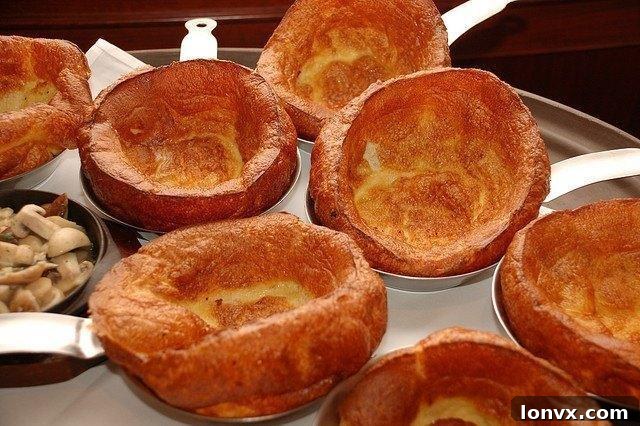
At their core, Yorkshire Puddings are a type of savory batter pudding, traditionally cooked in the fat rendered from roasting meat, particularly beef. They are made from a simple mixture of flour, eggs, and milk, which, when cooked at a high temperature in hot fat, puffs up dramatically to create a distinctive, irregular shape. The perfect Yorkshire Pudding should have a deeply golden, crisp shell and a light, custardy, almost hollow center. Despite their name, they aren’t sweet like many modern puddings; instead, they serve as a perfect savory accompaniment, often soaking up delicious gravy.
Their appeal lies in their unique texture and their ability to complement rich roasts without overpowering them. They are a staple of British cuisine, so much so that no true Sunday roast is considered complete without them.
A Glimpse into History: The Origin of Yorkshire Puddings
The history of Yorkshire Puddings dates back to the 18th century in the northern counties of England, specifically Yorkshire, from which they derive their name. Originally, they were known as “Dripping Puddings.” Before ovens were commonplace, cooks would place a simple batter under the roasting spit to catch the valuable meat drippings. This ingenious method not only made good use of the fat but also produced a hearty, filling dish.
Historically, Yorkshire Puddings were often served as a first course before the main meat dish. This practice was practical, as it helped to fill hungry diners, meaning less of the more expensive meat was needed. Over time, their role evolved, and they became an integral part of the main meal, particularly alongside roast beef, providing a delightful contrast of texture and flavor.
The earliest known recipe was published in 1737 in “The Whole Duty of a Woman,” under the title “A Dripping Pudding.” The specific name “Yorkshire Pudding” first appeared in print in Hannah Glasse’s “Art of Cookery Made Easy” in 1747. Since then, they have cemented their place as an iconic symbol of British comfort food, cherished for generations.
Why the “2-3-4” Recipe is Your Go-To for Perfect Yorkshire Puddings
While many recipes exist, the “2-3-4” ratio stands out for its elegant simplicity and unwavering reliability. This mnemonic makes it incredibly easy to remember the proportions of the core ingredients, ensuring perfect results every time, even for novice bakers. Here’s what the numbers mean:
- 2: Refers to 2 cups of plain white flour.
- 3: Refers to 3 cups of milk.
- 4: Refers to 4 whole eggs.
This balanced ratio creates a batter that is neither too thick nor too thin, providing the ideal consistency for a spectacular rise and a wonderfully crisp finish. It eliminates guesswork and allows you to focus on the technique, which is just as crucial as the ingredients themselves.
Ingredients for Your Perfect Yorkshire Puddings
The beauty of Yorkshire Puddings lies in their humble ingredients. Using quality components, however, makes a noticeable difference in the final product. For approximately a dozen standard-sized puddings, you will need:
Essential Ingredients:
- 2 cups Plain White Flour: All-purpose flour is ideal. While not strictly necessary, sifting the flour can help prevent lumps and contribute to a smoother batter.
- 3 cups Milk: Whole milk is recommended for its richness, which contributes to the puddings’ flavor and texture. For best results, allow the milk to come to room temperature before mixing.
- 4 Whole Eggs: Use large eggs. Like the milk, bringing eggs to room temperature helps them incorporate more smoothly into the batter, leading to a more consistent emulsion.
- Salt and Pepper: Essential for seasoning the batter. A good pinch of salt enhances all the flavors, and freshly ground black pepper adds a subtle warmth.
Optional Enhancement:
- Fresh Rosemary (crushed): If you enjoy an aromatic twist, a very light sprinkle of freshly crushed rosemary can add a wonderful herbaceous note. Be mindful not to overdo it, as rosemary is potent and can easily overpower the delicate flavor of the pudding. Add it towards the end of mixing the batter.
Mastering the Batter: Tips for Success
Creating the perfect Yorkshire Pudding batter is more about technique than complexity. Follow these steps for a smooth, lump-free mixture that’s ready to puff:
1. Prepare the Flour:
Place the 2 cups of plain white flour into a large mixing bowl. Create a deep well in the center of the flour. This method helps to gradually incorporate the liquid without creating lumps.
2. Whisk Liquids Separately:
In a separate bowl or a large jug, vigorously whisk together the 4 whole eggs and 3 cups of milk. Add a generous pinch of salt and a grind of fresh black pepper to this mixture. Ensure the eggs and milk are thoroughly combined.
3. Gradual Incorporation:
Begin by pouring approximately one-third of the egg and milk mixture into the well in the flour. Using the tines of a fork, or a small whisk, gently start incorporating the flour from the edges into the liquid in the center. Work slowly to create a thick, smooth paste. This initial stage is crucial for preventing lumps.
Once the first third is incorporated, add another third of the liquid and continue mixing gently with the fork, drawing in more flour. The batter will become progressively looser.
4. Finish Mixing:
Finally, incorporate the remaining third of the egg and milk mixture. At this stage, you might find a spatula or a wooden spoon more effective for scraping down the sides of the bowl and ensuring everything is thoroughly combined. The goal is a smooth batter, free from any dry pockets of flour.
5. The All-Important Rest:
Cover the bowl containing your batter with cling film or a clean tea towel and let it rest. A minimum of 15-30 minutes at room temperature is sufficient, but for truly spectacular results, consider resting the batter for several hours in the refrigerator, or even overnight. Resting allows the gluten in the flour to relax and the starch granules to fully hydrate, which is key to achieving that impressive, airy rise. The mixture should have a consistency similar to a stiff pancake batter.
The Secret to the Perfect Rise: Cooking Techniques
The transformation of batter into gloriously puffed Yorkshire Puddings is a magical process, heavily reliant on high heat and hot fat. Here’s how to achieve that iconic rise:
1. Preheat Your Oven to the Max:
For truly spectacular Yorkshire Puddings, a fiercely hot oven is paramount. Preheat your oven to a blazing 400°F to 425°F (200°C to 220°C / Gas Mark 7-8). The high temperature is crucial for the instant “steam explosion” that causes the puddings to puff up so dramatically.
2. Prepare the Muffin Tins with Hot Fat:
Place your empty muffin tins (a standard 12-cup tin works well) directly into the preheated oven. Allow them to heat for at least 5-10 minutes. They need to be incredibly hot. This step ensures an immediate sizzle when the batter is added.
Once the tins are scorching hot, carefully remove them from the oven. Now, it’s time for the fat. The traditional and arguably best choice is beef drippings (au jus) from your roast. These add an unparalleled depth of savory flavor. Place approximately one tablespoon of drippings into each muffin cup. Be extremely careful, as the fat will sizzle immediately upon contact with the hot metal.
A Little Secret: If you keep leftover bacon drippings on hand (stored in a jar in the fridge), adding a tiny amount (perhaps half a teaspoon) to the beef drippings in each cup can impart a wonderful smoky depth. If you don’t have beef drippings, a high smoke point vegetable oil (like sunflower, canola, or vegetable oil) or even duck fat can be used, though they won’t offer the same traditional flavor profile.
3. The Quick Pour:
Working quickly to prevent the fat from cooling down, retrieve your rested batter. Give it a gentle stir just before pouring. Using a soup ladle, half-fill each hot muffin tin with the Yorkshire batter. Don’t overfill, as they need room to expand.
4. Bake Uncovered and Undisturbed:
Immediately place the filled muffin tins back into the preheated oven. Bake, uncovered, for about 20-30 minutes. Resist the urge to open the oven door during the first 15-20 minutes of baking. Opening the door releases heat, which can cause the puddings to collapse prematurely. They are done when they are deeply golden brown, dramatically puffed, and wonderfully crisp. The timing often aligns perfectly with when a prime rib roast is settling, providing about a half-hour window before carving.
The batter will puff up like a choux pastry, forming an uneven, often wonderfully lopsided ball. This characteristic uneven rise is part of their charm!
Troubleshooting Common Yorkshire Pudding Problems
Even with the best intentions, things can sometimes go awry. Here’s how to diagnose and fix common issues:
- Puddings Don’t Rise: This is usually due to insufficient heat. Ensure your oven is very hot and the fat is scorching before adding the batter. An under-rested batter or opening the oven door too early can also be culprits.
- Soggy Bottoms: Often a sign that the fat wasn’t hot enough, or the puddings weren’t cooked for long enough. They need to be golden and crisp all over.
- Tough Puddings: Overmixing the batter can develop the gluten too much, leading to a chewy, tough texture. Ensure you mix just until combined. Steaming during reheating can also make them tough.
- Puddings Deflate Quickly: This is normal! Yorkshire Puddings will naturally deflate a little when removed from the oven, as the steam escapes. If they completely flatten, it might be an issue with insufficient heat during baking or too much batter.
Serving Your Perfect Yorkshire Puddings
Yorkshire Puddings are best served immediately, straight from the oven, when they are at their crispiest and most impressive. They are the quintessential accompaniment to:
- Roast Beef: Their most traditional pairing. Drench them in rich gravy made from the roast drippings.
- Other Roasts: Don’t limit yourself to beef! They are also fantastic with roast lamb, pork, or even chicken.
- As a Light Meal: In some parts of northern England, a large Yorkshire pudding might even be served as a meal in itself, filled with gravy and vegetables.
Keeping Warm and Reheating:
If you need to keep them warm briefly before serving, you can gently place them in a turned-off oven. Tent the pan loosely with aluminum foil, but be careful not to seal it tightly. You want to avoid trapping steam, as moisture can cause the puddings to “sweat” and become tough and soggy. For best results, plan your cooking so they are ready just as your main course is plated.
Leftover Yorkshire puddings can be stored in an airtight container in the refrigerator for 2-3 days. To reheat, place them on a baking tray in a preheated oven (around 350°F / 175°C) for 5-10 minutes until crisp and warmed through. An air fryer can also do a great job of crisping them up.
Variations and Creative Ideas
While the classic Yorkshire Pudding is perfect as is, there’s always room for a little creativity:
- Herb Infusions: Beyond rosemary, consider adding a pinch of dried thyme or sage to your batter for a different aromatic profile.
- Mini Yorkies: Use mini muffin tins for bite-sized Yorkshire puddings, perfect as canapés or for smaller portions.
- Giant Yorkshire Puddings: Bake a single large Yorkshire pudding in a small roasting tin or an individual oven-safe dish. This can be used as a vessel for a stew, known as “Toad in the Hole” if sausages are baked into it.
- Cheesy Yorkies: A sprinkle of grated hard cheese like cheddar or Parmesan in the batter just before baking can add a savory kick.
Conclusion: Embrace the Tradition of Homemade Yorkshire Puddings
Making your own Yorkshire Puddings is a simple yet deeply satisfying culinary experience. With the easy-to-remember “2-3-4” recipe and the tips outlined in this guide, you’re well-equipped to create light, crispy, and beautifully puffed puddings that will become a cherished part of your family meals.
There’s an undeniable joy in serving these golden, impressive creations, hot from the oven, alongside your favorite roast. They represent comfort, tradition, and the simple pleasure of good food made with care. So, gather your ingredients, fire up your oven, and prepare to enjoy this spectacular, easy-to-do addition to any table. Your taste buds (and your guests) will thank you!